
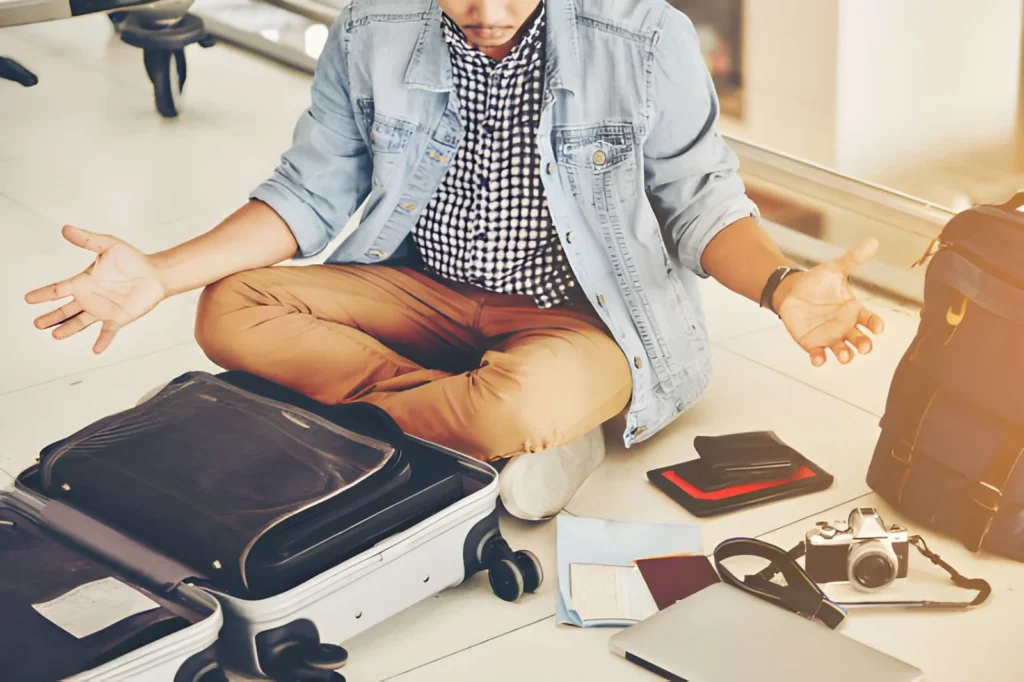
Anyone who’s stood in airport security frantically patting down every pocket looking for their passport gets why travel wallets exist. It’s not really about looking organized — it’s about not having a mini panic attack at a checkpoint while a line of people waits behind you. But the market’s gotten crowded, and figuring out which travel wallet is actually worth the money takes some sorting through.
What a Travel Wallet Actually Needs to Do
Before getting into specific picks, it helps to know what separates a good travel wallet from your regular everyday one. A travel wallet is meant to replace your everyday wallet during trips — holding your passport, boarding passes, multiple currencies, and credit cards in one organized place you can pull out at checkpoints without digging through every pocket.
If you’re someone who travels light — just a passport and a card or two — you probably don’t need a full travel wallet at all. A simple passport holder does the job. But for longer trips, multiple currencies, or family travel, a dedicated organizer starts to make real sense.
Does RFID Protection Actually Matter?
This comes up constantly, and the honest answer is: kind of, but not as much as marketing makes it seem. The real-world risk of someone wirelessly skimming your passport or card in public is genuinely low, though RFID shielding adds barely anything to the manufacturing cost. So the practical advice ends up being simple — don’t pay a premium specifically for it, but there’s also no real reason to buy a wallet without it at this point, since it’s become a pretty standard feature anyway.
That said, not all RFID blocking is equal. Effective protection needs to target the 13.56 MHz frequency most contactless cards and passports use, and ideally that shielding wraps around all the card slots rather than just lining one pocket. Cheaper wallets sometimes cut corners here — shielding one compartment but not the others.
Best Travel Wallets for Men
Men’s travel wallets have shifted noticeably over the past few years. With digital tickets and boarding passes increasingly living on phones, fewer card slots are actually needed, so most newer men’s designs have gotten slimmer — with RFID protection added as the real upgrade instead of bulk.
For everyday-carry guys who want something that doesn’t scream “tourist,” slim leather bifolds with a hidden RFID layer are usually the sweet spot — professional enough for a business trip, low-key enough that it doesn’t look like you’re hauling your entire life around. If you tend to carry more — multiple cards, some cash, maybe a boarding pass or two — a zip-around organizer with a dedicated passport sleeve and a few extra card slots makes more sense than forcing everything into a wallet that’s too thin for the job.
Guys who travel a lot for work also tend to like wallets with a built-in pen loop, since customs forms always seem to show up right when you don’t have one. It’s a small thing, but it’s the kind of detail you only appreciate the third time you’re standing in line patting your pockets for a pen that isn’t there.
Best Travel Wallets for Women
Honestly, the women’s category tends to get a bit more flexible with storage, mostly because a lot of women are juggling more than just a passport and a card — a phone, lip balm, hand sanitizer, that one random hotel key from three trips ago that never got cleaned out. So compartments end up mattering more here than pure slimness.
Trifold styles with more card slots, an ID window, and a separate zip pocket for coins or small items show up a lot in this category, plus extra room for receipts, cash, and a passport. If you’re someone who likes things actually sorted instead of shoved into one big slot, that layout works better than it sounds.
If you’d rather carry less, slim crossbody wallets or wristlets with RFID lining are worth a look too — saves you the whole digging-through-your-bag-at-security routine, while still keeping your documents secure. And if looks matter as much as function (no shame, they usually do), there’s plenty of options now in real or good vegan leather that don’t sacrifice the RFID and organization features just to look less “tactical gear” and more like an actual accessory.
Top Picks Worth Considering
For minimalists who hate bulk: Slim bifold-style wallets that still fit a front pocket are worth prioritizing if you’re not checking a bag full of documents. Some thin bifold designs manage to fit a passport and up to ten cards while still slipping into a regular pants pocket, which most zip-around organizers simply can’t do.
For business travelers who want something polished: Leather travel wallets with a classic bifold design tend to look the part for someone heading into a client meeting straight from the airport. Some premium leather options pack in a passport, cash, and up to ten cards while including small extras like a built-in pen for customs forms — though leather does scratch and wear with heavy use over time.
For budget-conscious travelers:
You really don’t need to spend a lot to get solid functionality. Some basic polyester options with simple zip closures and decent RFID shielding run well under $30 and still cover passport storage, multiple card slots, cash, and boarding passes.
For families or longer international trips:
If you’re managing documents for more than just yourself, capacity becomes the priority over slimness. Certain family-sized organizers can hold passports, cards, and cash for multiple travelers at once, keeping everyone’s documents in a single, easy-to-access spot.
For travelers who want maximum security:
Body-worn options — neck wallets or money belts — genuinely do solve a different problem than pocket-carried ones. A neck wallet worn under clothing keeps your passport and primary cards against your body rather than in any pocket someone could reach into, which matters most in crowded transit hubs, markets, and tourist-heavy areas.
What to Actually Check Before Buying
A few practical things matter more than how sleek the wallet looks in product photos.
Weight and bulk.
A good rule of thumb is staying under about 4.5 ounces with a filled thickness around half an inch to three-quarters of an inch — enough to avoid an obvious bulge in your pocket or sagging in a bag.
Slot count matches your actual cards.
Don’t buy based on the highest number advertised — count what you actually carry day to day, add one or two spare slots, and go from there. Overbuying capacity just means more bulk for nothing.
Material durability.
Leather looks good and ages well if you’re gentle with it, but it scratches and can warp with water exposure. Nylon and synthetic options trade some style for being noticeably more durable on the road, especially in rougher climates.
Closure type.
Zippers keep things secure but slow you down at checkpoints. Magnetic or snap closures are faster to access but slightly less secure if the wallet’s ever dropped or opened accidentally. Which matters more really depends on how often you’re pulling it out in a day.
The Bottom Line
There’s no single “best” travel wallet for everyone — it really comes down to how you actually travel. Someone backpacking solo through Southeast Asia has completely different needs than a family of four heading to Europe, or a business traveler doing quick weekend trips. RFID protection is worth having since it costs next to nothing extra, but it shouldn’t be the deciding factor on its own. What matters more day to day is whether the slot count matches how many cards you actually carry, whether the size fits how you like to carry things, and whether it’ll hold up after a few trips of regular use.
Common Questions
Is RFID blocking actually necessary for travel? Not strictly necessary, no — the real risk of digital skimming is low. But since it adds almost nothing to the price these days, there’s not much reason to skip it either.
What’s the difference between a travel wallet and a regular passport holder? A passport holder is just that — a sleeve for your passport. A travel wallet is more like a full organizer, holding your passport alongside cards, cash, and boarding passes in one place.
Do I really need a travel wallet if I only travel occasionally? If you’re just carrying a passport and a card or two for a short trip, probably not — a basic passport sleeve covers it. Travel wallets earn their keep on longer or more complex trips.
Is leather or synthetic material better for travel? Depends on your priorities. Leather looks more polished but needs more care and doesn’t love water. Synthetic materials like nylon are more durable for rough travel and usually cost less.