
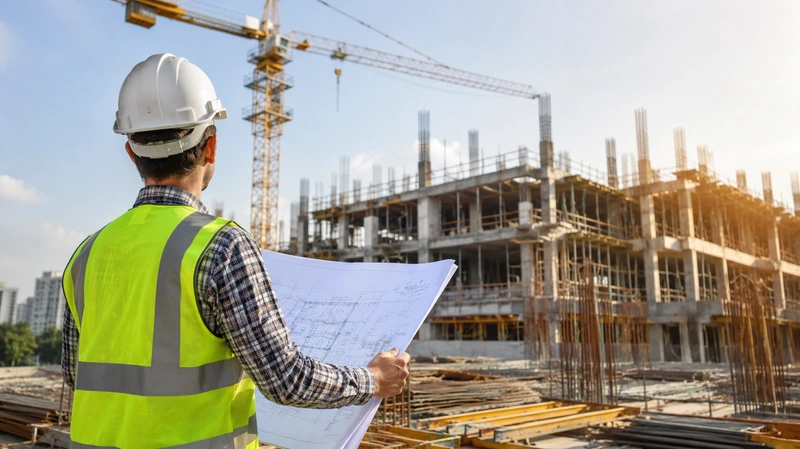
Commercial construction covers a wide range of building types. Hospitals, clinics, corporate offices, and industrial facilities all fall under this category. Each one brings its own set of financial and operational advantages to the owner.
No two projects are alike. Every job calls for its own planning approach and execution strategy.
As businesses expand and industries scale up, the need for well-planned commercial spaces keeps rising. Meeting that demand requires careful budgeting and a firm commitment to industry standards. The finished building needs to perform as intended without blowing past financial limits.
Why Expertise Matters in Commercial Building
Putting up a commercial structure takes more than pouring concrete and stacking walls. It takes engineering know-how, sound planning, and a clear strategy.
A solid construction process accounts for the building’s specific needs from day one. It also factors in local zoning rules, safety codes, and realistic timelines. That groundwork gives owners confidence that the final product will hold up to scrutiny.
Good contractors take the time to understand what the owner actually wants. They walk clients through how the work will unfold, whether it’s a brand-new build or an upgrade to something already standing.
How Technology Is Reshaping the Industry
Newer tools have changed construction dramatically. They make the entire process faster, safer, and easier to manage.
Modern planning software can turn a handful of project details into a full, organized schedule. This cuts down on guesswork and gives teams a clearer path to follow.
Building Information Modeling (BIM) adds another layer of precision. It gives teams a shared timeline that keeps every phase of a project on track.
Drones have also become standard on many job sites. They offer a fast, low-cost way to inspect progress and catch issues from angles crews would otherwise struggle to reach.
These tools do more than speed things up. They help teams catch mistakes early, flag safety concerns before they escalate, and keep the whole project running smoothly.
Sustainability Is No Longer Optional
Green building practices have moved from a nice-to-have to a core part of commercial construction planning. Industry experts increasingly favor eco-friendly methods that cut energy use while keeping projects on budget.
This proves sustainability and cost-efficiency can work together.
Builders now commonly install energy-efficient lighting and use responsibly sourced materials in commercial spaces. Buildings that use these methods tend to stand out — both for their quality and for the visible care that went into building them.
Solid Project Management Makes or Breaks a Build
Few factors matter as much to a project’s outcome as strong project management. Large commercial jobs pull in dozens of stakeholders: contractors, suppliers, inspectors, regulatory bodies. Keeping all of them aligned is no small task.
Skilled project managers juggle every moving piece. They direct resources where the project needs them and push milestones to land on schedule. Good management often separates a project that stays on budget from one that spirals into costly delays.
Clear, consistent communication ties it all together. Clients who receive regular, honest updates rarely face surprise costs or scheduling hiccups.
Picking the Right Contractor
The contractor a business chooses can shape the entire outcome of a project. It pays to examine a company’s track record, safety history, and portfolio before signing on.
A dependable contractor knows the local codes and follows industry best practices. They also understand what sets commercial projects apart from residential ones.
Businesses looking for that level of reliability often turn to MPS Engineering & Construction, a firm known for delivering strong results across a range of commercial sectors.
Solid contractor-client relationships don’t just get one project across the finish line. They often set the stage for future work together.
Where Commercial Construction Is Headed
The industry keeps shifting as new technologies, sustainability goals, and construction methods take hold. Prefabrication, smart-building systems, and data-driven project management will likely play a bigger role in the years ahead.
Companies that adopt these changes early tend to see real gains. They cut costs, tighten timelines, and produce buildings that genuinely serve the people who use them.
Demand for commercial space keeps climbing. Skilled construction professionals will stay essential to delivering buildings that are safe, long-lasting, and perform well. Pairing technical expertise with smart planning and the right technology puts the industry in a strong position to handle whatever comes next.
Final Thoughts
Commercial construction is a demanding field. It rewards careful planning, real technical skill, and disciplined project management.
Companies planning a new facility or a major renovation should weigh quality, safety, and long-term value just as heavily as price when choosing who to work with.
Smarter technology and a growing focus on sustainable building have made today’s commercial projects more efficient and environmentally responsible than ever. Partnering with experienced professionals remains the surest way to get a project done right on time, on budget, and built to last.
Looking for more information