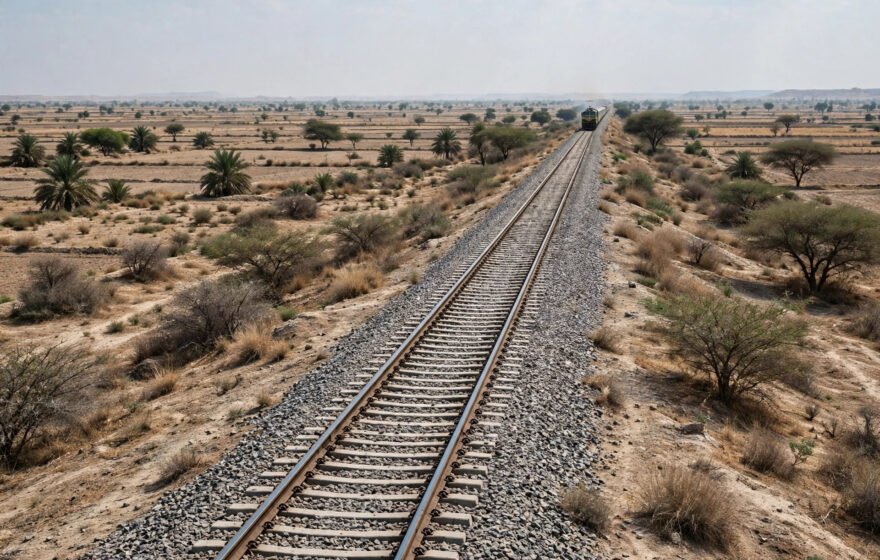
Pakistan Railways will undertake a $2.5 billion project to lay a new 480-kilometre railway track between Karachi and Rohri, launching the first phase of the long-delayed Main Line-1 (ML-1) upgrade with safety and accident reduction as its central goals.
Railways Minister Hanif Abbasi shared the plan with the National Assembly on Thursday, saying the new Karachi-Rohri track would replace ageing infrastructure on one of the most accident-prone stretches of the national railway network. Civil work on the first phase is likely to begin in January 2027.
According to the minister, Pakistan Railways is accelerating market consultations, pre-bid preparations, and related processes to meet the timeline set by Prime Minister Shehbaz Sharif. The Karachi-Rohri and Rohri-Multan sections have been identified as the network’s most dangerous segments, where worn-out tracks have contributed to repeated derailments and forced frequent, costly repairs.
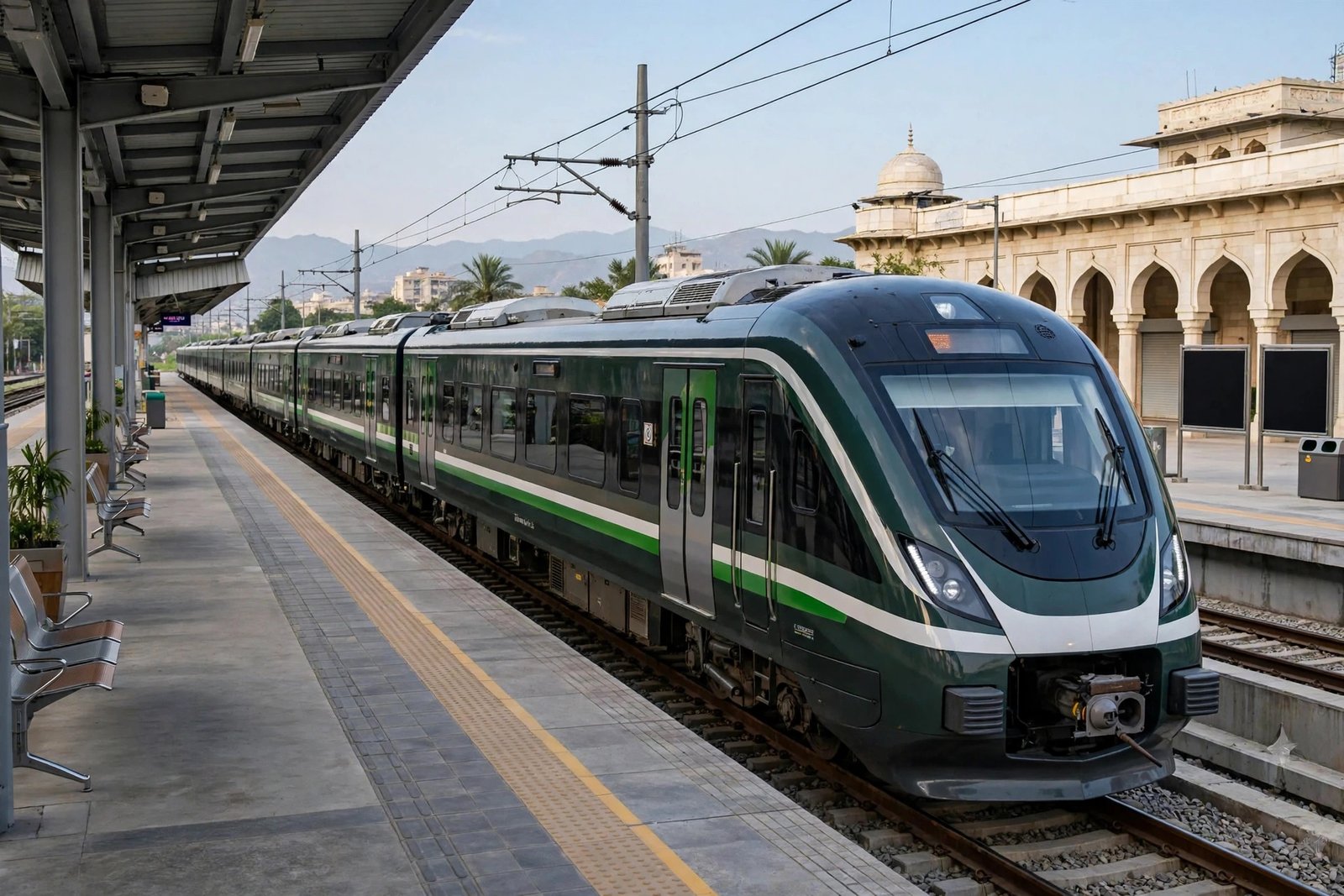
The safety figures behind the project are stark. Abbasi told the house that the railway network recorded 349 train derailments between January 2022 and September 2026, with faulty tracks identified as the leading cause. Staff errors accounted for 95 derailments, while 64 were attributed to defects in rolling stock. Investigations into 331 incidents have been completed, while 120 cases remain pending.
The ML-1 project has been envisioned for years as the flagship overhaul of Pakistan’s rail backbone, originally discussed under the China-Pakistan Economic Corridor framework. Repeated delays, financing negotiations, and shifting priorities kept it on paper — making the selection of the Karachi-Rohri section for the initial phase a significant step toward finally breaking ground.
For Pakistan Railways, the stakes go beyond safety. A modernised ML-1 would speed up both passenger travel and freight movement between the country’s main port city and its industrial and agricultural heartlands, cutting logistics costs that ripple through the wider economy. Freight revenue, in particular, is seen as critical to the railways’ financial recovery.
Beyond safety, the project carries broader economic logic. Pakistan’s railways currently move only a small fraction of the country’s freight, with most goods travelling by road at higher cost and with greater wear on highways. A modernised Karachi-Rohri corridor — the gateway linking the ports to upcountry markets — could shift meaningful cargo volumes back onto rail, cutting logistics costs for exporters and importers alike.
The ML-1 vision has always extended further than this first phase. Eventual plans envisage upgraded track, modern signalling, and higher operating speeds along the entire Karachi-Peshawar main line. Whether those ambitions materialise will depend heavily on how the Karachi-Rohri phase is financed and executed — making this $2.5 billion first step the proving ground for the whole corridor.
All eyes will now be on the bidding process and whether the January 2027 timeline holds. If the Karachi-Rohri phase proceeds on schedule, it could set the template — and build the momentum — for the remaining phases of the ML-1 corridor.
