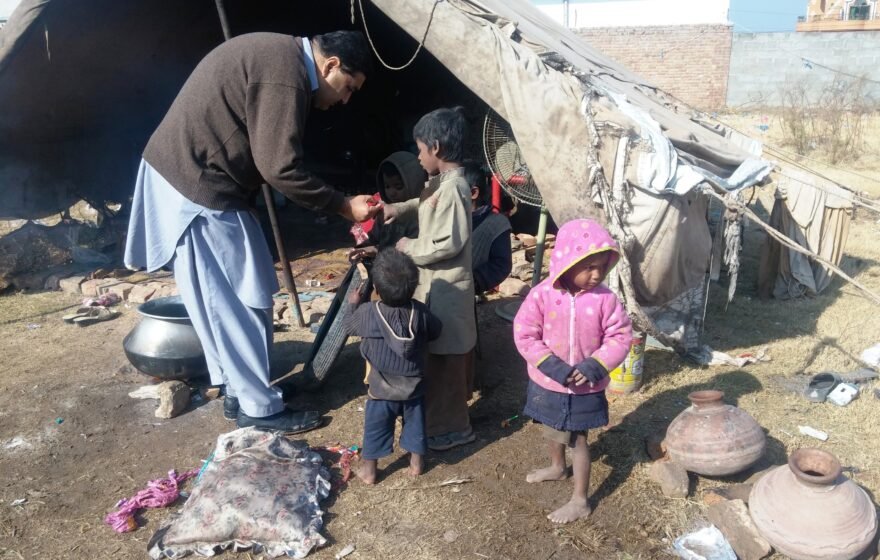
On World Polio Day, observed every year on October 24, Rotary International has renewed the promise it made to Pakistan decades ago: to stand with the country until the last trace of the wild poliovirus is gone. Pakistan remains one of only two countries in the world where the virus is still endemic, the other being Afghanistan, which makes this annual day of recognition feel less like a celebration and more like a rallying call.
The day itself was established by Rotary to honour Dr Jonas Salk, the scientist who developed the first safe and effective polio vaccine more than seventy years ago. Rotary was the first organisation in the world to envision a polio-free planet, and it helped found the Global Polio Eradication Initiative in 1988. The numbers from that era are staggering: back then, polio paralysed some 350,000 children every year across 125 countries. Today, after decades of relentless campaigning, cases have fallen by more than 99.9 per cent, and more than 20 million people have been spared from paralysis — one of the greatest public health achievements in human history.
Rotary International President Olayinka Hakeem Babalola, who personally helped lead eradication efforts in Nigeria on Africa’s road to being certified free of the wild poliovirus in 2020, spoke of the scale of the commitment. Rotary has contributed more than US$3 billion to the cause, including US$1.3 million raised by Rotary members in Pakistan itself, and has invested more than half a billion of those funds — alongside countless volunteer hours — to protect over 45 million children in Pakistan from this paralysing disease. Babalola pointed to Africa’s achievement as living proof that with collaboration and political and financial backing, ending polio in Pakistan and eradicating it globally is genuinely possible.

Photo: CDC Global via Wikimedia Commons (CC BY 2.0)
The work on the ground goes far beyond funding. Rotary members advocate for government support and raise awareness around immunisation, a role that remains critical in Pakistan, where vaccine refusals still stand in the way of reaching every last child. Aziz Memon, who chairs Rotary’s Pakistan National PolioPlus Committee, said the country is showing strong progress, with only a handful of cases reported this year. To protect that credibility and keep the trust of communities, the committee has been investing in the wider needs of those communities as well — setting up water filtration plants across Pakistan, creating resource centres to build bonds with local people, running team support centres to assist frontline workers, and establishing permanent transit posts to make sure children on the move are covered too.
That last detail matters more than it might seem. Eradication campaigns fail when they arrive in a community as a one-note effort, and the fact that Rotary is drilling wells and building resource centres alongside vaccination drives shows an understanding that trust is earned, not assumed. The tools and the expertise to end polio for good already exist, in the hands of Rotary and its Global Polio Eradication Initiative partners. What remains is the will — from governments, from donors and from partners everywhere — to keep polio eradication at the very top of the priority list until the job is finished. Those who want to learn more or lend their support can do so at endpolio.org. Until then, the story of this year’s World Polio Day is one of cautious optimism: the finish line is finally visible, but only continued effort will carry Pakistan across it.
