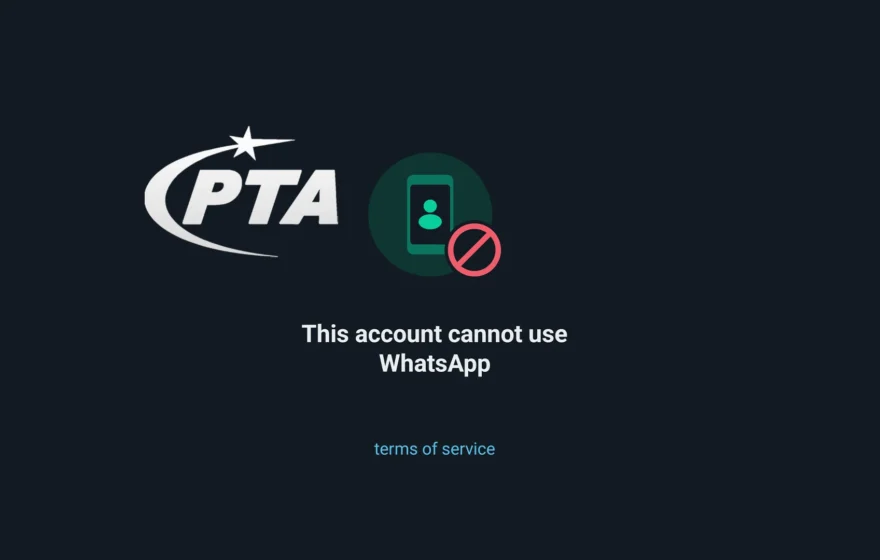
The Pakistan Telecommunication Authority has begun blocking WhatsApp accounts that remain registered on inactive mobile SIM cards, in a move aimed at stopping numbers that are no longer in their original owners’ hands from being misused. Officials confirmed that the blocking process is now under way, after an earlier awareness campaign in which users were urged to make sure their WhatsApp accounts were linked only to mobile numbers that are active and still in their possession. The step marks a shift from warning to enforcement, and it carries a direct message for anyone who has changed numbers, left an old SIM unused, or kept an old registration running long after the number behind it stopped being theirs.
At the heart of the decision is a simple security problem. A mobile number is far more than a way to make calls. It is also the key that unlocks a string of online accounts, from messaging apps and banking alerts to password recovery codes sent by text message. When a SIM is deactivated or cancelled and the number later passes to someone else, an account still tied to that number can become a weak point. The new holder may receive verification codes meant for the previous owner, or may be able to take over an account that was never properly moved, — a gap the authority wants closed before it is exploited.
The authority had already warned users to act before the blocking began. In its earlier advice, it asked people to check whether the SIM linked to their WhatsApp account had been deactivated, cancelled or simply fallen out of use, and to update their registration where that was the case. The awareness campaign was intended to give people time to sort out their accounts on their own terms, rather than discovering the problem only when a message failed to arrive or an account stopped working.
The risk is rooted in how mobile numbers are managed in Pakistan. Numbers are a limited resource, so operators are allowed to recycle them once they have been inactive for a long period. Under rules publicised by the authority earlier in 2026, a SIM that shows no calls, text messages or internet use for 180 consecutive days can be deactivated, and the number may then be reassigned to another subscriber. Once a number has been reallocated, the previous holder has no legal claim to it. An old WhatsApp registration can therefore quietly become a liability.
The danger grows because of how much of daily life now runs through WhatsApp. For millions of Pakistanis, the app is the main channel for family conversations, work groups, school updates and small business orders, as well as a place where photos, documents and personal messages accumulate over years. Losing control of such an account is therefore not a minor inconvenience. It can expose private conversations, allow someone else to pose as the owner to friends and contacts, and open the door to scams that trade on trust,
For users, the practical advice starts with a quick check. Anyone who is unsure which number their WhatsApp account is registered on should open the app, look at their profile, and confirm that the number shown is one they still own, still use and can still receive messages on. If the SIM behind that number has been lost, cancelled or left unused for months, the account should be moved before the blocking reaches it.
WhatsApp itself provides the tool for making that move, and using it properly matters. The app’s Change Number feature, found in its account settings, transfers the account, including profile details, group memberships and settings, from the old number to a new one, rather than creating a separate account from scratch. Users should make the change on their existing phone while the old number is still registered, enter the new number in full, and verify it with the code sent to that number. If a new phone is also involved, change the number on the old phone first and take a fresh backup under the new number.
There is also a warning that runs alongside the blocking action, and it is one users should not ignore. The authority has separately cautioned the public against fraudsters who pretend to be officials from the regulator, banks or courier companies in order to extract personal details or get people to click suspicious links. No genuine blocking notice should ever ask a user to share a password, a verification code or bank details, and anyone who receives such a message should treat it as a scam and report it through the regulator’s complaint channels rather than responding to it. In the end, a few minutes spent confirming that WhatsApp is registered on an active number in hand protects far more than a chat history: it keeps control of an identity that friends, family and colleagues trust.
