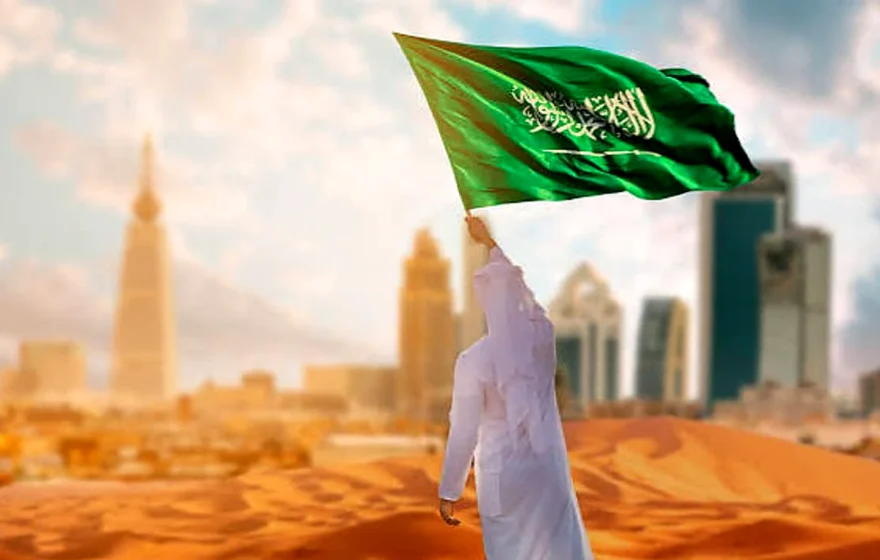
Saudi Arabia has begun processing visa applications from Pakistani citizens on the same day at its embassy in Islamabad, in a move meant to make travel to the Kingdom quicker and easier. The facility was announced by the Kingdom’s newly appointed ambassador to Pakistan, Dr Rajeh bin Tami Al-Baqami, during a meeting with Federal Minister for Petroleum Ali Pervaiz Malik.
The announcement came as the two sides sat down to talk about widening cooperation in mining, petroleum and energy, and it quickly became the most eye-catching outcome of the meeting. For ordinary Pakistanis planning to travel to Saudi Arabia for work, business, family visits or pilgrimage, long waits for visa decisions have long been a source of frustration, and the embassy says the new system is designed to cut that waiting time right down. Officials say it should help business activity, cultural exchange and closer contact between people in the two countries.
It is worth being clear about what same-day processing means in practice. The embassy has said applications will be processed on the day they are submitted, but it has not yet spelt out which categories of visa the facility will cover, what documents applicants will need, or whether every application will also receive a final decision on the same day. Processing an application and approving it are two different things, and travellers will need the embassy’s detailed guidelines before they can be sure how the new system will work for their own case.
The visa announcement was only one part of a much broader conversation. Minister Malik and Ambassador Al-Baqami discussed opportunities in the mining, petroleum and energy sectors, and both sides agreed to expand cooperation in oil storage, refinery upgrades, energy supplies and minerals. Pakistan, the minister said, has approved a tax-neutral bonded storage policy under which Saudi companies can establish commercial oil reserves and storage facilities in the country. The policy has been benchmarked against international energy hubs such as Fujairah and Singapore, and it is meant to give investors the confidence to build storage capacity on a commercial basis. Reports of the meeting also mention plans for a large petroleum storage and refining complex at Hub in Balochistan, a coastal location that would suit the movement of crude oil into and out of the region.
Malik also invited Saudi Arabia’s Vice Minister of Mining, Khalid al-Mudafier, to attend the Pakistan Minerals Investment Forum in Islamabad on November 12 and 13. The forum is shaping up as an important shop window for Pakistan’s mineral wealth, and the invitation signals that Riyadh is being courted as a serious partner in developing that sector rather than simply as a buyer of raw material. The forum will give both sides a chance to turn general expressions of interest into concrete projects.
Behind the specific announcements sits a relationship that both sides describe in warm and longstanding terms. The ambassador said Riyadh deeply appreciated Pakistan’s longstanding support and that the two countries stood together in all circumstances, adding that their defence and energy cooperation frameworks were aimed at promoting regional peace, stability and economic growth. The minister assured the ambassador that Pakistan valued its historic relationship with Saudi Arabia and remained committed to expanding cooperation across strategic sectors.
That history matters because the human links between the two countries are enormous. Saudi Arabia hosts one of the largest Pakistani communities anywhere in the world, with Pakistanis working across the Kingdom in construction, services, healthcare, engineering and business. For those families, the speed and predictability of the visa process is not a minor administrative matter: it decides when a worker can take up a job, when a family can be reunited, and when a business trip can go ahead. A system that genuinely processes applications on the same day would therefore be felt far beyond the embassy’s waiting room.
The energy side of the talks matters just as much, if in a quieter way. Pakistan imports much of its oil, and storage capacity has long been a weak point, leaving the country exposed whenever global prices spike or supplies are disrupted. Commercial storage built with Saudi participation, on a tax-neutral basis, would give Pakistan more room to manage those shocks, while giving Saudi companies a foothold close to fast-growing Asian demand. Refinery upgrades point in the same direction, towards processing more crude at home rather than importing finished fuel.
What happens next will be watched on two fronts. Travellers will look to the Saudi embassy for the practical details of the same-day system, including which visa types are included, what fees apply and how appointments will be handled. Investors and officials will look towards the minerals forum in mid-November, where the talk of cooperation in mining and energy will be tested against real projects and real money. If the visa facility works as described, it will be a welcome and visible improvement for ordinary Pakistanis, and if the energy and minerals discussions also turn into signed agreements, the meeting may come to be seen as a genuinely productive day for a partnership both countries say they want to take further.
