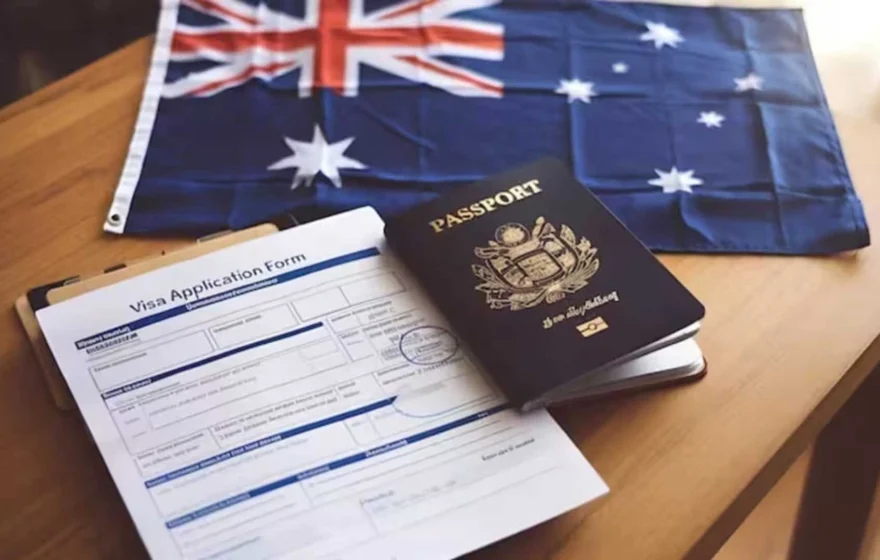
Australia is weighing a significant tightening of its student visa rules, with proposals that could require international students to hold their tuition fees and living costs in an Australian bank account before they lodge a visa application. The move, now open for public comment, has put the spotlight back on a system that many students and universities say has become harder to navigate, even for applicants who are genuine and well prepared.
The Department of Home Affairs opened the consultation on 30 October, and it will run until 23 November 2026. Officials are asking for views on how financial checks for students should work, at a time when refusal rates have risen sharply, with applicants from South Asian countries among those most affected. No final decision has been taken, and the government has said it will review the feedback before bringing in any change. For students in Pakistan, where Australia has long been one of the most popular study destinations, the outcome could shape plans for the next intake and beyond.
Australia’s appeal is easy to understand. Its universities carry strong international reputations, and a degree from the country is valued by employers at home and abroad. Yet the journey from an offer letter to a visa stamp has never been simple. Applicants must already show that they can pay for their studies, and the new proposals would not raise the amount of money students must demonstrate, but they would change how that money must be shown.
Proposed Financial Requirements for Students
Under the ideas put forward, the government is considering four different ways of strengthening the financial test. The first would ask students to place half of their total tuition fees and living expenses for the whole course in an eligible Australian bank account and keep the money there for at least one month, with limits on withdrawals during that period. The second option would require the same amount to stay in an Australian account for three months, but without restrictions on taking money out.
The third option is the strictest of the deposit-based models. It would require students to deposit the full amount of their first-year tuition fees and living expenses for three months, again with possible limits on access to the funds. The fourth option takes a different approach altogether. Instead of a compulsory deposit, it would let applicants prove their financial capacity through approved education loans, scholarships, personal savings, or a mix of these, with limited exemptions from moving money into an Australian account in some cases.
Financial evidence would have to be submitted with every application, whatever the provider’s rating.
Stricter Checks for Certain Countries
A further layer of scrutiny is proposed for applicants from countries placed in the highest risk group, known as Evidence Level 3. Those applicants could be asked to provide bank statements covering at least six months of transactions, giving officials a longer view of how funds were built up and whether they are genuinely available. The government is also looking at tighter verification of education loans, with secured loans and government-backed financing preferred over unsecured personal borrowing.
The proposals also seek changes to the Genuine Student assessment, with greater weight on academic records, course choice and previous educational progress. An application is more likely to succeed when the course fits the student’s background and their study plan reads as a coherent next chapter.
Rising Visa Rejections Raise Concerns
The consultation has arrived against a background of growing worry about refusal rates. Speaking at the Australian International Education Conference 2026 in Sydney, Assistant Minister for International Education Julian Hill acknowledged that high rejection rates were putting genuine students off applying to Australian institutions. He said many applicants feared that a refusal from Australia could harm their chances of studying elsewhere, a concern that weighs heavily on young people who may only get one serious attempt at studying abroad.
Hill rejected the suggestion that the rising refusals were driven by migration targets. He said officials were concerned about applicants who could not realistically afford their studies without relying on longer-term migration to make the sums work.
Charles Sturt University Vice-Chancellor Renee Leon pointed to government figures showing that offshore higher education student visa grants had fallen by more than 40 per cent compared with the previous year. She called for clearer eligibility requirements before students pay the visa application fee of 2,500 dollars.
For prospective students, the practical message for now is patience mixed with preparation. Nothing has changed yet, and the consultation gives students, universities and families a chance to make their case. Those planning to apply should keep careful records of their funds and make sure their course choice and academic history tell a consistent story. If the new rules restore confidence and give genuine applicants a clearer path, they could strengthen Australia’s reputation. If they add cost and uncertainty, they risk pushing talented students towards other destinations. The responses received by 23 November will help decide which future takes shape, and students in Pakistan will be watching closely.
