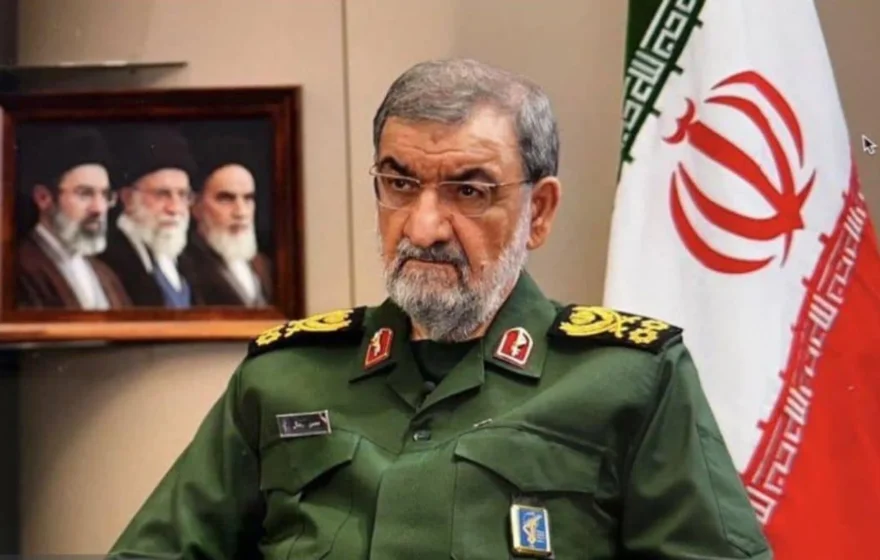
Iran has demanded that the United States meet seven conditions to end the US-Israel war on Iran, reopen the Strait of Hormuz and resume peace talks. As diplomatic efforts intensify, Major General Mohsen Rezaei, identified in reports as secretary of Iran's Supreme National Security Council, urged Washington to accept Tehran's demands and accused the White House of spreading false reports about negotiations.
Tehran first formally sent the conditions to Washington through Qatari and other regional mediators in September, according to reports. The demands have now been set out publicly, but the terms for a settlement remain far apart. Iranian officials say each demand includes additional requirements, and they insist that Washington must implement the conditions before Tehran reopens the strategic waterway or returns to negotiations.
What Are Iran's Demands?
The conditions are: an end to hostilities on all fronts, including a halt to attacks and to the US-Israeli campaign against the Axis of Resistance in Lebanon, Gaza and Yemen; the release of frozen Iranian assets; the complete lifting of the naval blockade, which Tehran describes as illegal; the removal of economic and political sanctions; the withdrawal of American naval and air forces from the region; the payment of war reparations for the damage caused by the war; and an end to threats and insults against Iran.
Taken together, the list demands a full reversal of the pressure campaign against Tehran rather than a narrow ceasefire: giving up the blockade, the sanctions and the military presence used as leverage, and paying compensation, before Iran reopens the strait or sits down for talks. American officials have shown no sign of accepting that in full.
The public announcement of the conditions comes only a day after President Donald Trump said the war was, in military terms, effectively over. Speaking on Monday in the White House briefing room, shortly after meeting Qatar's Prime Minister Sheikh Mohammed bin Abdulrahman bin Jassim Al Thani, Trump said Iran had been "decapitated" and that further military action "doesn't seem to be a very necessary thing" at this point. He said Iran was talking to Washington "very politely" and that there was a "good chance" the war could end, while warning the United States remained "locked and loaded" if circumstances changed.
Trump gave no sign of pulling back the thousands of US troops deployed in the waters off Iran, and he said the naval blockade aimed at stopping Iranian oil from reaching global markets would continue. "We're keeping it going. We have the greatest military blockade ever," he said. He also said a long-term solution was still needed to make sure Iran cannot build a nuclear weapon. Qatar and other Gulf states have urged Washington not to restart the fighting, and oil prices fell 7 per cent earlier in the day as markets reacted to the de-escalation signals.
Rezaei Accuses Washington of Inventing Talks
In a social media statement, Rezaei claimed that the war against Iran had already destabilised the US administration. He compared Washington's conduct to that of a desperate gambler unwilling to accept defeat, and he urged the United States to abandon what he called fabricated reports of talks and to recognise an emerging regional order in West Asia.
"Time to SURRENDER to the seven conditions Iran has repeatedly set out," he wrote. His statement reinforced Tehran's position that ending the war and reopening the Strait of Hormuz depend on Washington meeting its demands.
Iran Says US Response Remains Insufficient
Rezaei has previously said the United States responded to the seven conditions, but he described that response as inadequate and said it contained ambiguities that still needed clarification. According to reports, he said the Strait of Hormuz would remain closed under Iranian control until those issues were resolved.
The report added that Iran would manage the waterway in coordination with Oman through new arrangements. Tehran says those arrangements would protect regional security rather than serve foreign interests, a framing that presents Iran as a guardian of the strait rather than a party using it as a bargaining chip.
The gap between the two sides is now clear. Trump has declared the war effectively over and spoken of positive momentum, while Tehran insists nothing is settled until its seven conditions are met in full. The blockade is the central point of contention: Washington treats it as leverage that must stay in place, while Iran treats its removal as a precondition for any talks. The Strait of Hormuz, through which a large share of the world's seaborne oil passes, remains the pressure point that gives Tehran its strongest card.
What happens next is likely to depend on the mediators. Qatar, which hosted Trump's meeting with its prime minister and has been central to the diplomacy, and Oman, which Tehran names as its partner in managing the strait, both want a settlement that reopens the waterway without a return to fighting. Whether Washington clarifies its response, and whether Tehran treats any clarification as enough to reopen the strait, will decide whether Trump's claim that the war is effectively over becomes a settlement or simply a pause.
