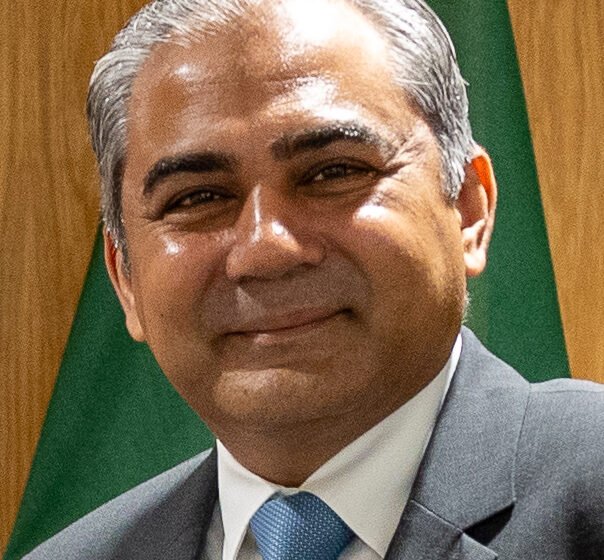
Interior Minister Mohsin Naqvi has warned Pakistanis against a rising wave of online fraud in which scammers impersonate family members and pretend to be sick to trick people into transferring money, calling the tactic one of the most reported forms of cybercrime in the country.
Speaking alongside National Cyber Crime Investigation Agency (NCCIA) Additional Director Atif Ameer, Naqvi said fraudsters frequently pose as nephews or other close relatives, spinning urgent stories about illness or emergencies to make their demands appear genuine. The minister said numerous cases of this kind had been reported to authorities, and that many victims only realize they have been duped after the money is gone.
Naqvi urged the cybercrime police to launch public awareness campaigns to help people identify and avoid such scams, arguing that these basic fraud tactics can be prevented if citizens learn to verify the identity of anyone requesting money online. He stressed that education, rather than enforcement alone, would determine how quickly the fraud is contained.
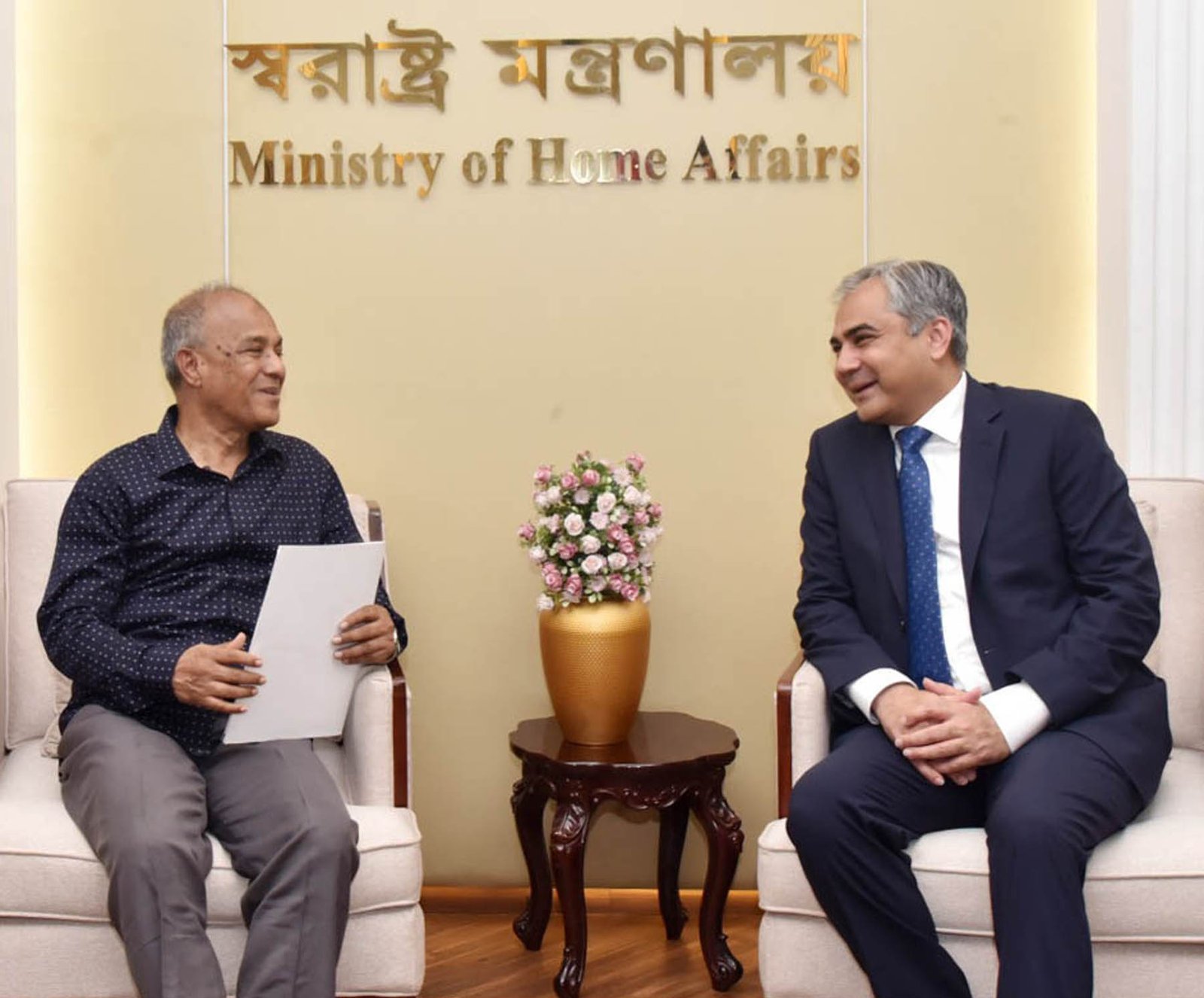
The minister advised Pakistanis to confirm the identity of the person making the request before transferring any money, particularly when the caller’s voice is unfamiliar. A quick call-back on a known number, he said, is often enough to expose a scammer before any loss occurs.
The warning comes as online fraud, digital scams and financial cybercrime continue to strain households and law-enforcement resources across Pakistan. Scammers increasingly exploit trust within extended families, a tactic the NCCIA says is especially effective because it bypasses the skepticism people reserve for strangers.
The NCCIA, Pakistan’s dedicated cybercrime agency, has repeatedly asked citizens to guard personal documents such as CNICs and to treat unsolicited money requests with suspicion, even when they appear to come from relatives. Naqvi’s latest remarks add ministerial weight to that message and signal a broader push toward public awareness rather than reactive investigations alone.
Naqvi directed cybercrime units to intensify awareness drives across social and conventional media, with the goal of reaching families who remain unaware of how quickly impersonation scams unfold. Authorities are expected to announce the next phase of the public awareness campaign in the coming days, as the government tries to keep fraud losses from climbing further.
