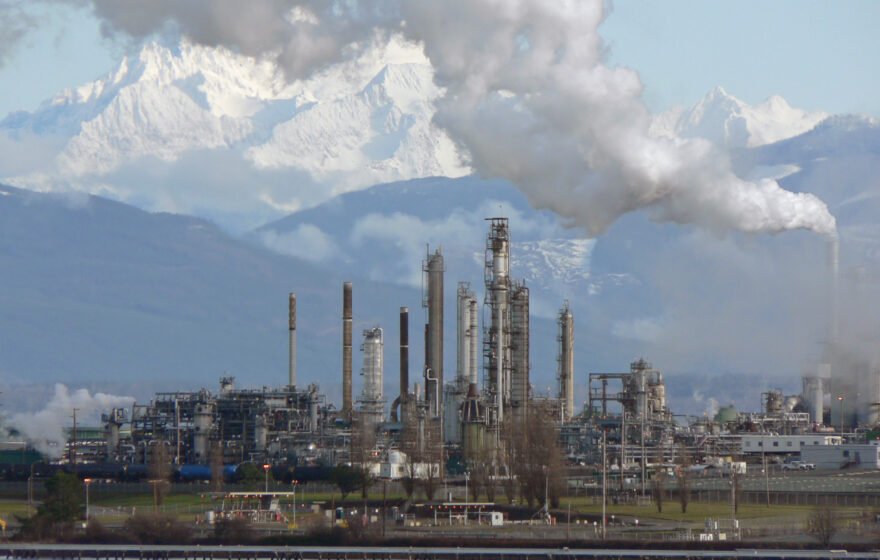
Pakistan’s oil refining sector has delivered one of the most dramatic quarterly turnarounds in recent corporate history, with all three listed refineries posting year-on-year profit growth of more than 1,000 percent for the July to September quarter, the opening quarter of fiscal year 2027.
Attock Refinery led the pack with a net profit of Rs. 18.65 billion, up from Rs. 1.45 billion in the same quarter last year, a rise of about 1,184 percent. National Refinery followed with Rs. 11.57 billion against Rs. 1.03 billion a year earlier, roughly 1,029 percent higher, while Pakistan Refinery earned Rs. 13.97 billion compared with Rs. 1.02 billion, an increase of nearly 1,274 percent.
The upstream and marketing sides of the oil chain also reported stronger numbers. Pakistan Oilfields posted a net profit of Rs. 8.19 billion versus Rs. 5.43 billion a year earlier, up about 51 percent, while Attock Petroleum’s earnings climbed roughly 74 percent to Rs. 6.64 billion from Rs. 3.81 billion.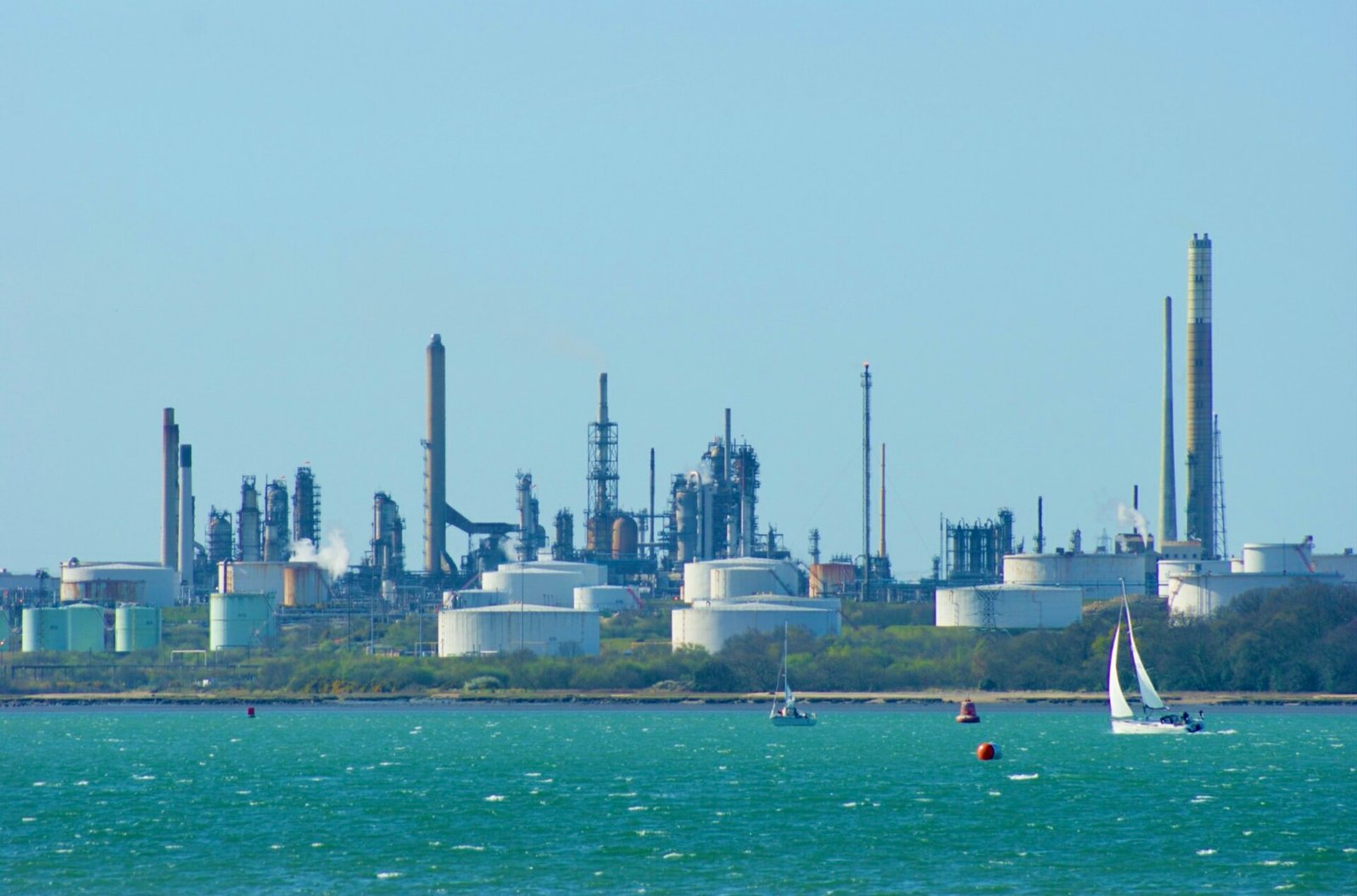
The windfall traces back to a consequential policy shift. On July 18, 2026, the Petroleum Division switched to daily fuel price updates, a change analysts say allowed refineries to capture refining margins more efficiently and reduced the lag between international price movements and domestic fuel pricing.
Market conditions played their part too. Brokerage estimates published ahead of the quarterly results put average gross refining margins at around 30 dollars per barrel during the quarter, with diesel the standout contributor at an estimated spread of 55 to 57 dollars per barrel and petrol’s spread at roughly 25 dollars per barrel. Inventory gains and stronger product sales added to the upside.
Individual margin estimates were impressive across the board. Attock Refinery was estimated to have achieved a gross refining margin of about 40 dollars per barrel alongside inventory gains of Rs. 1.5 billion. National Refinery’s estimated margin stood at 28.9 dollars per barrel with projected inventory gains of Rs. 2.7 billion, while Pakistan Refinery’s margin was estimated at 26 dollars per barrel.
Analysts caution that refining is a cyclical business, and the current strength owes much to global supply uncertainty linked to the US-Iran standoff and the Russia-Ukraine war, which have kept diesel and product spreads unusually wide. Whether the refineries can repeat these blockbuster numbers in the coming quarters will depend on how long those international margins hold, and on whether the daily pricing regime survives Pakistan’s shifting political cycle.
