Pakistan is coming under growing pressure from Washington to shut its land trade routes with Iran, as the Trump administration tries to carry its campaign against Tehran beyond the sea and onto the land border. The demand has put Islamabad in an awkward spot, caught between a close security partner and a neighbour on which it depends for fuel and everyday goods.
The pressure was stated openly by US Treasury Secretary Scott Bessent earlier this month. In an interview with Newsmax, he said Washington was working with Pakistan and Türkiye to close off the overland routes, describing the effort as an absolute isolation campaign against Tehran. The remarks left little doubt that the closures now being seen along Iran’s borders are part of a wider American strategy rather than isolated local decisions.
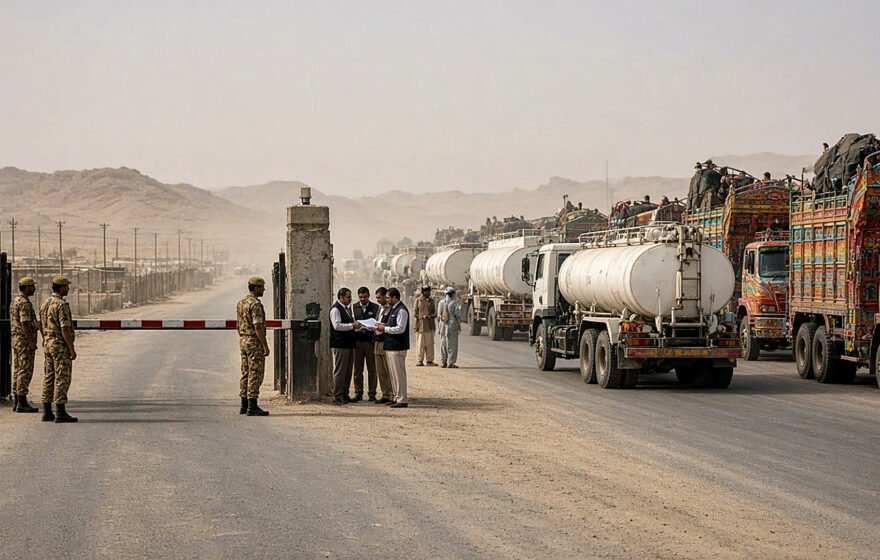
About a week after those comments, on October 17, Pakistan suspended trade at the Taftan and Gabd-Rimdan crossings in Balochistan. Provincial officials pointed to security concerns, while Iran attributed the disruption to technical problems on the Pakistani side. Hundreds of trucks were left stranded, and the stoppage hit fuel supplies hard: Pakistan brings in around 7,000 tons of liquefied petroleum gas from Iran every day, with more than 4,000 tons of that passing through Gabd-Rimdan alone.
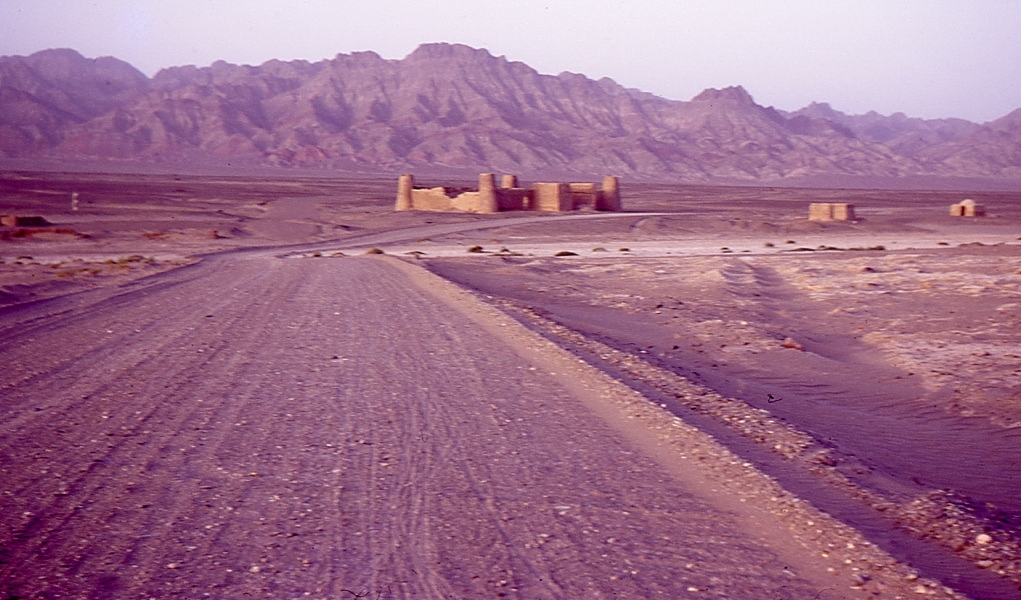
Gabd-Rimdan has since reopened for LPG tankers and essential goods, as reported earlier, but it is still not clear when trade there will return fully to normal. Taftan’s fate, and the broader question of how long any crossing stays open, remains tied to the pressure building from Washington.
Pakistan is not the only country facing this demand. Iraq shut its al-Sheeb crossing with Iran on October 21, with sources telling AFP that the United States is pressing Baghdad to close more crossings in order to tighten the screws on Tehran. According to those sources, the US Treasury raised the matter with Iraq’s prime minister during his visit to New York last month, and the eventual aim could be to leave only two crossings open, one in federal territory and one in the Kurdistan region. Iran’s interior ministry has itself acknowledged disruptions to border exchanges with Pakistan, a sign of how far the squeeze is already reaching.
When asked directly whether American pressure lay behind Pakistan’s own closure, the Foreign Office avoided a straight answer. Spokesperson Sajjad Haider Khan said only that Pakistan adheres to, and will continue to adhere to, all applicable sanctions regimes. The careful wording reflects the balancing act at play: saying too much either way risks angering Washington or Tehran.
The issue has also stirred debate online. Iranian academic Seyed Mohammad Marandi wrote on X that Pakistan is under pressure from Trump to shut its border with Iran, a claim that has fuelled discussion about how much room Islamabad really has to resist.
For ordinary Pakistanis, the stakes are concrete rather than diplomatic. The week-long closure showed within days how quickly a border decision turns into dearer cooking gas and stranded food supplies, and winter demand for LPG is only about to rise. Islamabad may hope that reopening Gabd-Rimdan for essential goods counts as a middle path, satisfying its own needs without openly defying Washington, but with the United States now asking every country bordering Iran to do the same, that middle ground looks likely to narrow rather than widen in the weeks ahead.
