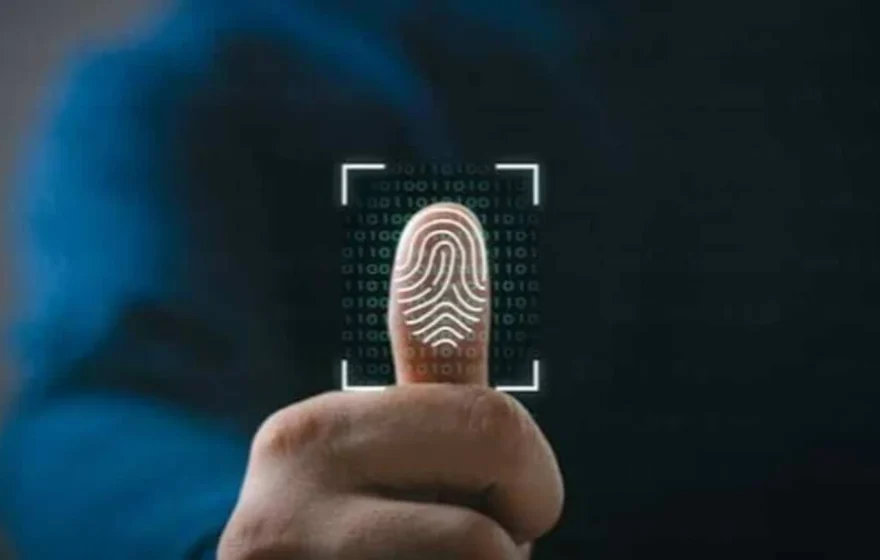
The National Database and Registration Authority has introduced biometric verification at Union Councils in 23 districts across Pakistan, a move to make the registration of births, deaths, marriages and divorces more transparent and to stop fake certificates entering the system. Under the new arrangement, applicants must complete a biometric check before their certificates are issued, tying every record to a verified identity in NADRA’s database.
It is a change that reaches into one of the most basic interactions between citizens and the state. A birth certificate is the first official document of a person’s life, needed for school admission and a passport. A death certificate closes bank accounts and settles inheritance. A marriage certificate is required for spouse visas and property transfers, while a divorce certificate is needed for remarriage. When any of these documents can be obtained under a false identity, the fraud spreads into every system that trusts them.
The facility has been introduced in selected districts in all four provinces. In Punjab, the districts are Rawalpindi, Jhang, Bahawalnagar and Sheikhupura. In Khyber Pakhtunkhwa, Peshawar has been included. In Sindh, the rollout covers Karachi East, Karachi West, Hyderabad, Tando Allahyar, Sukkur, Ghotki, Larkana, Qambar Shahdadkot, Shaheed Benazirabad, Naushahro Feroze, Mirpurkhas and Tharparkar. In Balochistan, the districts are Quetta, Naseerabad, Jaffarabad, Kalat, Sherani and Zhob. Citizens can call the NADRA helpline at 1777 or visit nadra.gov.pk for details.
The new step builds on work that began in Punjab earlier this year. On 16 October 2026, the Punjab government introduced mandatory biometric verification for birth, death and marriage certificates at Union Councils, with Local Government Minister Zeeshan Rafique inaugurating the upgraded Civil Registration Management System in Sheikhupura. Developed with the Punjab Local Government Department under the Digital Punjab, Transparent Punjab initiative, it requires a biometric check against NADRA’s database before any certificate is issued. The minister said the system would be rolled out in phases across all Union Councils in Punjab, so citizens could obtain authentic certificates without needing recommendations or paying bribes.
The 23 districts announced this week span the whole country rather than a single province, and the mix is deliberate: big cities such as Karachi, Rawalpindi and Quetta sit alongside smaller districts such as Tharparkar, Sherani and Tando Allahyar, where Union Council offices are often the only point of contact citizens have with the registration system. Bringing biometric checks to those offices matters precisely because paper-based processes have been hardest to monitor there.
The problem is an old one. For years, registration depended on an in-person visit to a local Union Council, paper forms, witnesses and manual record-keeping, a process that could take six to eight weeks and left room for certificates to be issued under false names, with wrong dates or for events that never happened. A fake birth certificate can create a false identity; a fake death certificate can be used to claim inheritance; a fake marriage certificate can support a fraudulent visa application. Each one undermines trust in documents that banks, courts, schools and embassies rely on daily.
NADRA has also been moving registration online. Its digital lifecycle services let citizens register births, deaths, marriages and divorces through the Pak Identity mobile app or the NADRA web portal, with certificates delivered digitally and physical copies by courier. The authority has extended mobile-based Union Council registration to districts including Larkana and Tando Muhammad Khan, and in December 2025 it introduced facial recognition for citizens whose fingerprints cannot be verified, so elderly people and manual workers are not locked out. From January, NADRA centres began issuing biometric verification certificates based on facial recognition.
The Union Council rollout complements that digital push rather than replacing it. Millions of Pakistanis still register life events in person at their local council, and it is there, at the counter, that a fingerprint check makes the difference between a record that can be trusted and one that cannot. Once a certificate is tied to a verified fingerprint or face, it becomes far harder to forge or obtain under someone else’s name.
Questions remain as the rollout expands. Citizens will want to know whose fingerprints are required for each type of certificate, what happens when the person concerned cannot attend in person, and how the system handles the elderly and disabled, for whom fingerprint verification has long been difficult. Facial recognition offers one answer, but it will need to be available at Union Council counters, not only at NADRA centres, if it is to help the people who need it most.
The direction of travel is clear. Pakistan’s civil registration system is moving from paper forms and personal recommendations towards verified digital records, and the Union Councils are where that change must happen if it is to reach everyone. The 23 districts are a first phase, and the test will be whether the biometric check becomes routine everywhere, until a certificate issued in any Union Council carries the same trust as one issued anywhere else. For citizens, the advice is simple: check whether your district is on the list, keep your identity documents ready, and call 1777 or visit nadra.gov.pk before you go.
