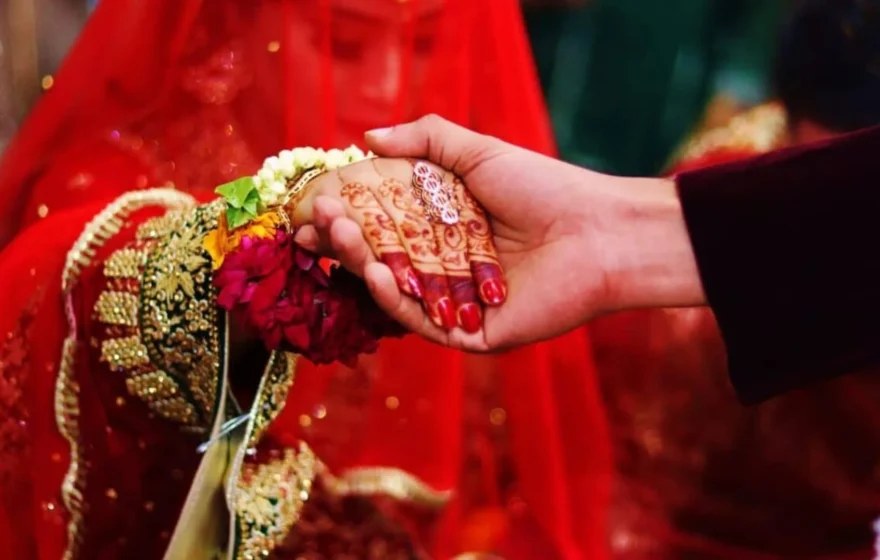
The Punjab government has resumed its Dhee Rani Programme, offering Rs 200,000 in financial assistance to brides from deserving families, as it restarts the collective wedding ceremonies at the heart of the scheme. The ceremonies resumed on 12 November 2026, and the government plans to arrange marriages for another 5,000 deserving couples during 2026-27, giving thousands of families help with a cost many cannot afford.
The Punjab Social Welfare and Bait-ul-Maal Department, which runs the programme, provides the Rs 200,000 as a wedding gift, known as Salami, through an ATM card issued in the bride’s name. It also pays all the expenses of the collective wedding ceremonies, so families need not find money for the venue, food or arrangements. Daughters from minority communities are included, and families can get information through the helpline on 1312.
The programme is one of Chief Minister Maryam Nawaz Sharif’s flagship welfare initiatives, aimed at a problem that affects poor families across Punjab: the cost of a daughter’s wedding. In many households, wedding expenses run into hundreds of thousands of rupees, forcing parents into debt. By arranging collective weddings and giving each bride a cash gift, the government is trying to remove that burden, so a family’s finances do not decide whether a daughter can marry with dignity.
Who Can Apply for the Rs 200,000 Assistance
The programme is targeted, not universal. It covers orphans, women with disabilities, daughters of persons with disabilities, and women from financially struggling families. To qualify, the bride must be between 18 and 40 years old and hold a valid Punjab domicile.
The bride can apply herself, or her father, mother or legal guardian can apply on her behalf. Applicants must have a confirmed marriage match, and the bride must be unmarried and willing to take part in a collective wedding ceremony rather than a private one. The government also requires an affidavit confirming the bride’s unmarried status and consent, a safeguard to make sure the assistance reaches genuine applicants.
If applications outnumber the places available, the authorities may select candidates through electronic balloting, a transparent draw used when demand exceeds supply. That matters, because demand has been high in every phase so far, and balloting is meant to keep selection fair rather than leaving it to influence.
How to Apply for the Dhee Rani Programme
Families should apply through the official Dhee Rani Programme portal at cmp.punjab.gov.pk, the only authorised route for registration. The department has said it has not authorised any other website, agent or individual to process applications, and families should be wary of anyone who offers to arrange registration for a fee. Registration itself is free.
Applicants must first create an account by providing their name, CNIC number, district and mobile number, then log in and complete the application form, uploading supporting documents as instructed. The authorities then review applications and verify each candidate’s eligibility, a process that includes visits by verification teams in many cases. Because each phase has its own application window, families should check the portal or call 1312 to confirm whether registration is open in their district before they apply.
How the Money Reaches the Bride
Once an application has been verified and approved, the assistance is provided through an ATM card issued by the Bank of Punjab in the bride’s own name, loaded with the Rs 200,000 Salami. Selected applicants receive information about their wedding ceremony through SMS, so the mobile number in the application must be correct and active. The portal also carries a schedule of events, including a mass wedding for 150 couples at the Lodhran Sports Complex on 8 December.
The money is part of a government-supported collective marriage scheme, not a general cash grant for privately arranged weddings: the bride must take part in the collective ceremony to receive it. In earlier phases the package also included a separate Rs 121,000 gift, though current announcements focus on the Rs 200,000 Salami, so families should confirm the full package before relying on it.
Why the Programme Matters
The scale of the programme has grown steadily since it began. In its first season in 2024-25, the government arranged 3,000 weddings, and the target was then raised to 5,000. The current phase continues that expansion, with another 5,000 weddings planned for 2026-27 and ceremonies scheduled across the province from November through to March. For a province the size of Punjab, even 5,000 weddings is a small share of the total, but for each family involved, the difference is life-changing.
The real test will be whether the programme reaches the families who need it most, and whether verification keeps it honest. Collective weddings are not new in Punjab, but a scheme of this size, run through a single portal with electronic balloting and ATM payments in the bride’s own name, is a serious attempt to make welfare spending transparent. If the ceremonies now under way run smoothly and the money reaches the brides as promised, the programme will have done something rare for a government scheme: turned a budget promise into a wedding day that a family can actually afford.
