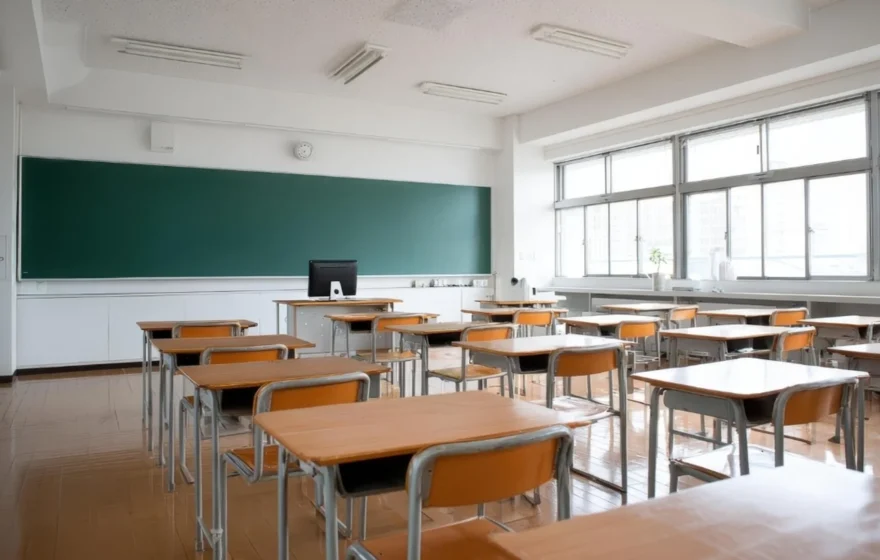
The Punjab School Education Department has banned the use of government school buildings for weddings, private gatherings and commercial events, closing a loophole that allowed classrooms, halls and playgrounds to be handed over for functions even during school holidays. The order covers every facility on a school campus, and it applies not only to outsiders but to teaching and non-teaching staff as well.
The department said the move was intended to protect the academic environment, prevent damage to public property and stop the unauthorised use of electricity, gas and other government resources. A wedding in a school hall may look harmless on the day, but it leaves behind a familiar trail: broken furniture, damaged floors and walls, littered grounds, and utility bills run up by lighting, cooking and sound systems that the school, and ultimately the taxpayer, must absorb. When functions spill into term time, the disruption is worse still, with teaching interrupted and children sent home or squeezed into the rooms that remain usable.
The order places responsibility squarely on the people who run the schools. Principals and head teachers will be held personally responsible for any violation, a warning that removes the excuse that a booking was arranged by someone else or approved informally. Chief Executive Officers of district education authorities, District Education Officers and other relevant officials have been directed to ensure immediate compliance, and the department has ordered surprise inspections of government schools to check that the ban is actually being followed rather than simply filed away.
The reason school buildings are so often borrowed for private events is easy to understand. A government school usually has the largest hall and the biggest open ground in a neighbourhood, and hiring it costs far less than a marriage hall or a commercial venue. For a family arranging a wedding on a tight budget, or an organiser looking for space for a gathering, the school next door is an obvious choice. In some cases the arrangement is made informally with a head teacher and the money changes hands without any record, so the school sees none of it while still carrying the cost of the wear. That convenience, however, is exactly what the department is trying to end. Public schools are built and maintained with public money for teaching, and every private function held in them trades a short-term saving for the family against wear and cost carried by the school.
This is not the first time the Punjab School Education Department has had to draw a line around what school premises may be used for. In October 2026 the Directorate of Public Instruction ordered that no child should sit or study in a dangerous or dilapidated school building anywhere in the province, with heads of institutions told they would be held responsible for negligence if an accident followed. Earlier in the year, in March 2026, a private school in Toba Tek Singh was sealed after it hosted a gathering in defiance of department directions that schools would remain closed. The pattern is consistent: the department issues a rule, the rule is tested by someone with influence or a pressing need, and the department responds by tightening enforcement and naming the people who will answer for it.
The timing also matters. Punjab has been wrestling with the condition of its school estate for years, with many buildings in need of repair and limited funds to carry the work out. Every rupee spent fixing damage from a private function is a rupee that cannot be spent on a classroom roof, a boundary wall or a working toilet. The ban is therefore as much a financial decision as an administrative one. By keeping halls and grounds for their intended purpose, the department hopes to slow the deterioration of buildings it already struggles to maintain.
Whether the order holds will depend on the inspections the department has promised. Bans on the use of school premises have been issued before in Punjab, on both sides of the border, and they have often faded once attention moved elsewhere, with local influence quietly reopening doors that a notification had closed. The difference this time may be the personal liability placed on principals and head teachers, and the instruction that compliance be checked through surprise visits rather than reports from the schools themselves. If those checks happen, and if the first violations are actually punished, the ban could stick. For parents, the test will be simple: whether the school hall they booked last year is still available this year. If they do not, it will join the list of well-meant orders that changed little on the ground, and the next wedding season will find the school gates open again.
