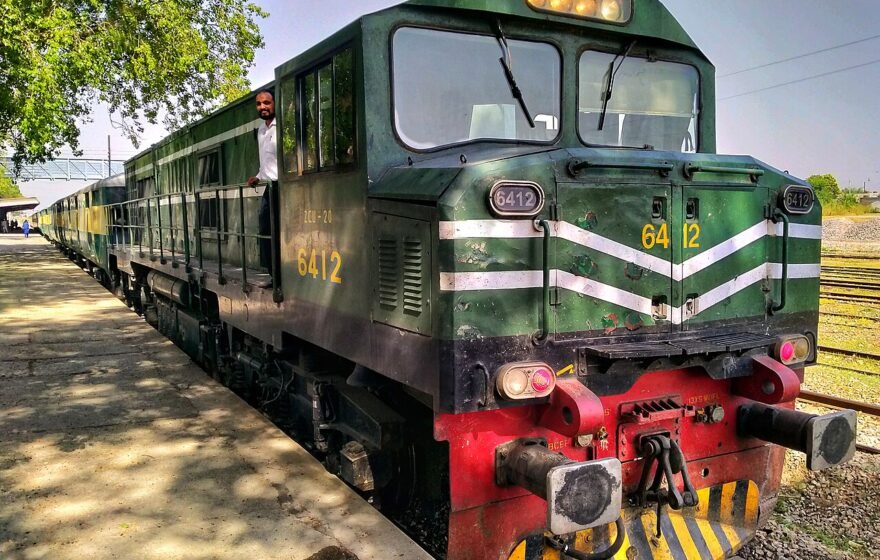
Pakistan Railways has cancelled leave for its field officers for the next three months after declaring an emergency across the department in a bid to improve train safety, a move ordered on the instructions of Railways Minister Hanif Abbasi. The decision, announced by the department’s headquarters in Lahore, puts the entire field leadership on notice through to the end of the year and signals that the government now regards the railway’s safety record as a matter requiring extraordinary measures rather than routine reminders.
Under the new directives, officers will be expected to spend their Sundays out in the field rather than at their desks, personally visiting stations and supervising train operations. Those travelling to other cities on official business have been told to make the journey by train, a requirement that doubles as both a practical check on the service and a visible gesture that the people running the railway are prepared to travel on it themselves. The chief engineers of the civil and mechanical departments, along with the head of safety, must now send daily reports to the ministry on the matters under their supervision, tightening the flow of information between the field and the minister’s office. The emergency measures will remain in force until December 31.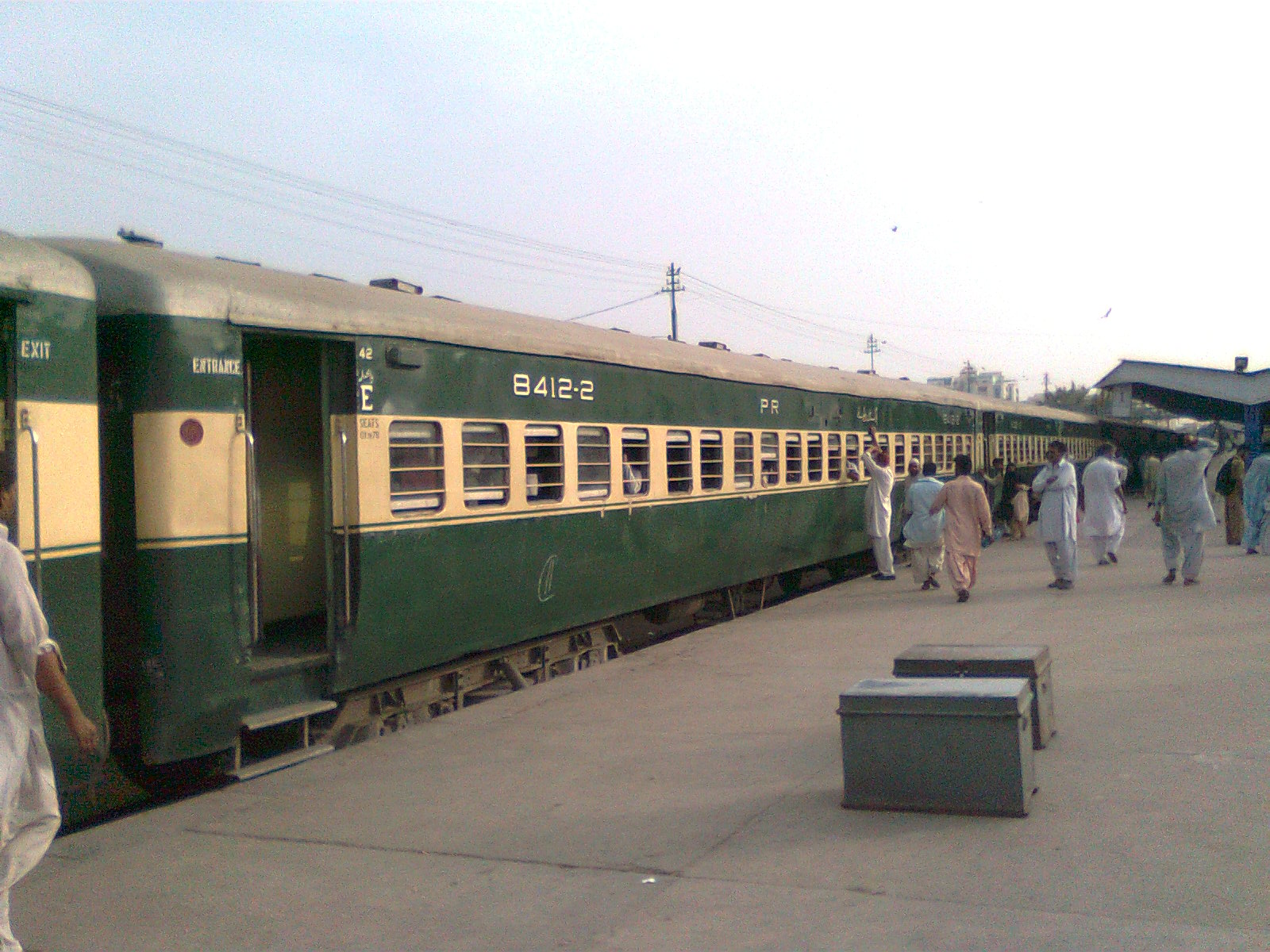
Photo: Wikimedia Commons
Abbasi framed the step as part of a broader promise to passengers, saying the department would provide travellers with the safest possible journeys in line with the prime minister’s vision. The language matters because it ties the emergency directly to the top of government, leaving little room for the measures to be quietly softened in the weeks ahead. Whether daily reporting and Sunday inspections can change conditions on the ground, however, will depend on what those reports actually reveal and whether problems they flag are fixed rather than merely recorded.
The backdrop to the decision is a troubling run of accidents. More than 55 incidents involving passenger and freight trains have been reported across Pakistan since January 2026, leaving several people dead, dozens injured and millions of rupees of damage to railway infrastructure. Recent months have seen a string of derailments, including ones involving the Rawal Express, the Khyber Mail and a Yusufwala coal train, while railway sources have identified the Sukkur, Karachi and Multan divisions as the areas reporting the highest numbers of accidents. The pattern has raised uncomfortable questions about maintenance standards and about whether earlier instructions from the minister were ever fully carried out.
For passengers, the test of this emergency will be simple and unforgiving: fewer accidents, not more announcements. Cancelling leave and demanding daily reports may sharpen attention at every level of the department, and the requirement that officers travel by train could give senior staff a first-hand sense of what passengers endure. But the railway’s problems have been described before, and previous directives have not prevented the accidents of the past ten months. If the three months to December 31 pass with the same toll of derailments and damage, the emergency will be remembered as a gesture; if the accident count falls, it will be the first evidence in a long while that Pakistan Railways can turn an instruction from Lahore into safety on the track.
