The Pakistan Telecommunication Authority has put forward a plan to close a gap that lets foreign mobile users blocked on one Pakistani network simply move to another and carry on as before. The proposal, in the draft International Roaming (Inbound) Regulations, 2026, would create a central record of blocked international roamers that every operator in the country could consult.
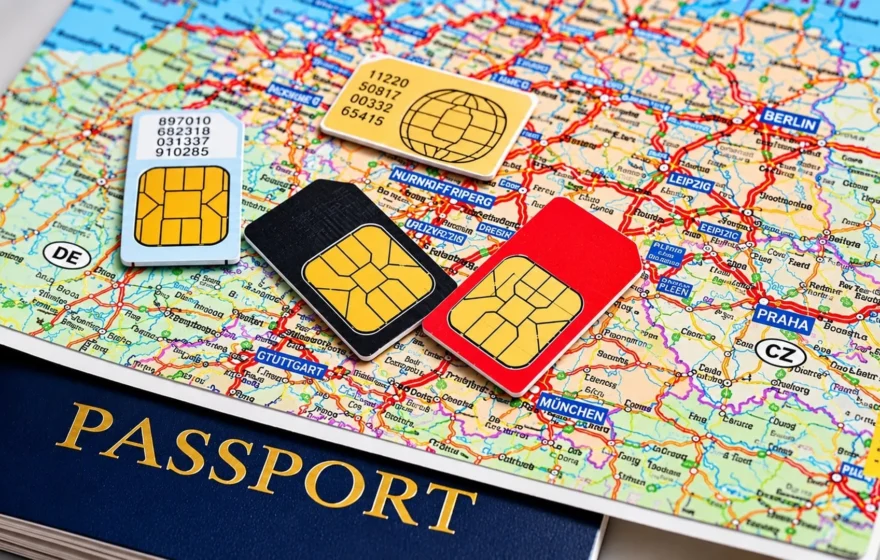
The problem is rooted in how roaming works today. A visitor can arrive in Pakistan with a foreign SIM or a travel eSIM and connect to a local network without the identity checks that apply to a Pakistani SIM. A connection used for fraud is therefore hard to trace, and blocking it on one network does not stop the same person reconnecting through a rival operator.
The PTA opened a public consultation on the draft in mid-October, with the feedback window closing on November 10. The rules are not yet in force and would only take effect after notification in the Gazette.
How the New Blocking System Would Work
Under the proposal, the PTA itself would maintain the central database and give mobile operators secure access to it. When one operator blocks an international roaming user, the details would go into the shared record, and any other operator could check it before letting the same subscriber use its network.
The record would hold the identifiers that matter for tracing a connection: the international mobile subscriber identity, the mobile number, the device identification number, the details of the foreign operator or aggregator behind it, the date of the block, and the reasons for it. The draft also covers how long records can be kept and how a wrong record can be corrected or removed.
When a Foreign SIM Can Be Blocked
The draft would place a clear duty on Pakistani mobile operators. If a roaming subscriber is found to be involved in fraud, cybercrime, harassment, threats or other unlawful activity, the operator would have to block or suspend the roaming service immediately. The action could be triggered by credible information, the operator’s own monitoring, lawful interception, or directions from the PTA, a law enforcement agency or a court. The operator would also have to notify the foreign operator concerned and ask it to act against the subscriber at its own end.
Blocked Users Would Have a Way Back
The proposal also builds in a route back for subscribers blocked in error. Every roaming block would have to be reported to the PTA within 72 hours, with the reasons for taking action.
If the reasons for a block are later found to be invalid, or the underlying issue is resolved, the operator would have to restore the subscriber’s roaming services and inform both the PTA and the foreign operator. That restoration duty is an important check, because a shared database that only ever adds names and never removes them would quickly become unfair to travellers caught in a misunderstanding.
The PTA would also hold a broader power of its own, to direct operators to block specific subscribers, groups of subscriber identities, or even an entire foreign mobile operator. Blocking a whole operator would be a far bigger step, and the draft says such a decision would have to be proportionate to the problem.
Wider Checks on Foreign SIMs and eSIMs
The blocking database is only one part of a broader package. The draft also proposes mandatory Know Your Customer checks for roaming users, which could require passport or travel document details, nationality, SIM or eSIM information, arrival dates, expected length of stay and the name of the foreign operator. Verification could be done through links sent in welcome text messages or a PTA-approved digital portal.
Operators would also have to watch for permanent roaming, where a foreign connection is used in Pakistan for months rather than for a short visit. The draft treats a connection as permanent roaming if it stays active for 90 days or more within any 180-day period. Travel SIM and eSIM aggregators would have to register with the PTA, and operators would have to keep roaming traffic records for at least 12 months.
The regulator’s concern is grounded in the risks it has identified. Unverified foreign connections have been linked to spoofed calls, text message phishing, extortion, e-commerce fraud and the misuse of social media accounts, all harder to investigate when the identity behind a number cannot be established. The PTA has also pointed to the growing use of foreign SIMs in internet-connected devices, and to revenue lost when traffic flows through unregulated channels.
For ordinary travellers, the practical effect should be limited to a short verification step on arrival. For the regulator, the database would close a loophole that has let the same bad actor keep working after being caught once. Whether it works in practice will depend on how quickly operators share information and how carefully the PTA polices the list itself. The consultation has closed, and the next step is for the authority to weigh the feedback and decide whether the draft goes forward to the Gazette unchanged or with changes that soften its sharper edges.
