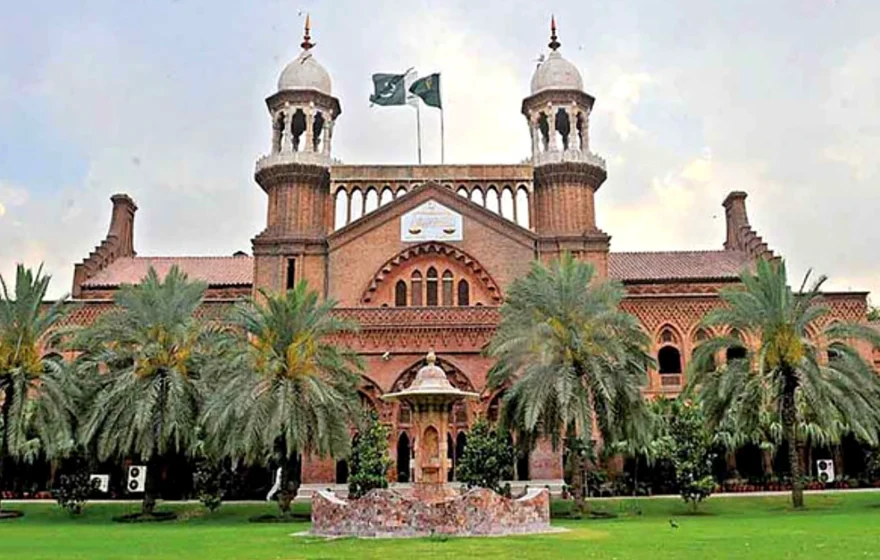
For shoppers in Pakistan, an order that is paid for and then never arrives can raise a legal question that comes before any argument about compensation: which court should hear the complaint at all? The Lahore High Court has now answered that question for online purchases of this kind. Disputes arising from an online shopping transaction, including the non-delivery of goods after full payment and the later cancellation of the order, fall within the jurisdiction of consumer courts.
The case concerned Dr Muhammad Ahtisham Qamar, who bought two articles of clothing online for Rs 6,480 and paid the full amount through his credit card. The articles were not delivered within the stipulated period. Instead, the sellers cancelled the order after 17 days, citing the Covid-19 pandemic. The amount was subsequently refunded, but the buyer pursued the matter further, seeking recovery of Rs 2,116,480 in refund and damages for alleged mental agony, humiliation and other losses said to have followed from the cancellation.
The sellers’ position changed during the proceedings. They initially denied the online transaction, but later admitted that a booking had been made, that the stock was unavailable, and that the amount received had been refunded. That admission did not end the dispute, because the buyer was not only concerned with getting his money back. He was seeking a much larger sum for the distress and embarrassment he said the cancelled transaction had caused, and the question of where that claim could be pursued remained contested.
A civil court returned the plaint under Order VII, Rule 10 of the Code of Civil Procedure, directing the petitioner to approach the competent forum under the Punjab Consumer Protection Act, 2005. That rule allows a court that lacks jurisdiction to return a claim so that it can be presented to the proper forum, rather than deciding a matter that belongs elsewhere. The appellate court, an additional district judge, upheld that decision, and the buyer then moved the Lahore High Court through a constitutional petition challenging both orders.
Before the High Court, the petitioner’s counsel argued that the claim was primarily for general damages arising from mental distress and humiliation caused by the cancellation. On that view, the case was not simply a consumer complaint about an undelivered order, but a claim for the personal impact of the way the transaction had ended. If that characterisation had been accepted, the buyer might have been able to pursue the claim in the ordinary civil courts, even though the underlying transaction had been an online purchase.
Justice Malik Waqar Haider Awan dismissed the constitutional petition. The court held that buyers cannot bypass the special legal forum by describing their claims for compensation as general damages, and that jurisdiction must be determined by the cause of action rather than by the terminology used or the amount of relief sought. In other words, calling a claim by a different name, or seeking a larger sum, does not change the forum that Parliament has provided for it.
The distinction is important for online shopping more generally. A buyer who orders through a website or an app usually pays before seeing the product, and relies on the seller’s description, promised delivery period and system for handling cancellations and refunds. When delivery fails, or an order is cancelled after a long wait, the buyer may feel not only financially inconvenienced but also let down and embarrassed, particularly if plans had been made around the purchase. Consumer law is designed for exactly that imbalance, providing a forum that is intended to be more accessible and focused than general civil litigation.
Clarity about the forum also helps sellers and platforms. If a dispute is a consumer dispute, it should be taken to the consumer court from the outset, rather than moving between courts while the underlying complaint remains unresolved. Arguments about jurisdiction can otherwise consume time and money before anyone examines whether compensation is actually due. For businesses, the ruling is a reminder that online sales carry the same consumer protection duties as sales in a shop, including clear information about stock, delivery times, cancellations and refunds.
The ruling does not decide whether the buyer in this case is entitled to the sum he claimed, or to any additional compensation beyond the refund already made. That question remains for the proper forum, where evidence about the order, the payment, the cancellation, the reason given for it and the refund can be examined on their merits.
For shoppers, the practical message is therefore a clear one. An online purchase does not remove consumer rights, and a dispute about non-delivery and cancellation is a consumer matter even when the claim is expressed as damages for distress or humiliation. Knowing that in advance can prevent a claim from being filed in the wrong court, returned, appealed and then started again. By confirming that jurisdiction follows the cause of action, the Lahore High Court has given buyers and sellers a clearer map of where to go when an online order goes wrong.
