Punjab is preparing a revised curriculum for children from early childhood education up to Grade V, promising textbooks that are 25 per cent lighter, video lessons reached through QR codes, and a broader shift towards digital and conceptual learning from April next year. The plan, discussed at an education reforms meeting, is aimed at easing the academic pressure on young pupils and bringing the province’s primary education system up to date. If it works as intended, the schoolbag that has become a symbol of overloaded childhood could finally become a little lighter.
The problem the reform sets out to solve will be familiar to parents across the province. Primary schoolchildren are expected to carry multiple textbooks, notebooks, workbooks and supplementary course material to school every day. For many children, particularly those in private schools in Lahore and other major cities, the bag holds far more than the prescribed textbooks alone. Alongside compulsory subjects, pupils are frequently asked to carry grammar and mathematics practice books, general knowledge material, computer science books, activity workbooks and additional learning resources, each adding weight and each adding to the work expected at home.
The burden grows when schools add supplementary courses and extra activities without taking anything away, leaving children with heavy bags, lengthy homework and pressure to cover several subjects in limited classroom hours. The question now is whether cutting textbook volume alone will be enough, or whether schools must also change what they add on top of the official course.
According to the plan, the revised curriculum should address part of the problem directly by reducing textbook volume by 25 per cent. That is a meaningful cut, but educationists caution that the real benefit will depend on what happens around it. If schools continue to prescribe additional books and practice material, review neither their homework policies nor their examination practices, and keep piling on supplementary reading, a slimmer textbook may not translate into a lighter day for the child. The government will therefore need to make sure that public and private schools alike follow the revised curriculum without quietly expanding the prescribed workload again through the back door.
A senior official of the Punjab Education Curriculum, Training and Assessment Authority, known as PECTAA, has said the revised curriculum has been prepared for Early Childhood Care and Education, or ECCE, through to Grade V, and has been sent to Cambridge International Education for assessment and comparison with international standards. That external check is significant. It suggests the province is not simply trimming pages but trying to measure its new course against benchmarks used elsewhere, and to make sure that lighter does not come to mean weaker. Parents will want to know that their children are learning as much, and as well, even if they are carrying less.
The timetable is tight but clear. Final content is expected in December, printing will begin in January, and the books are scheduled to be available before the new session begins in April. Meeting that sequence matters: late books would undermine the reform before it has had a chance to work, and distribution must reach small towns and rural schools as reliably as the big cities.
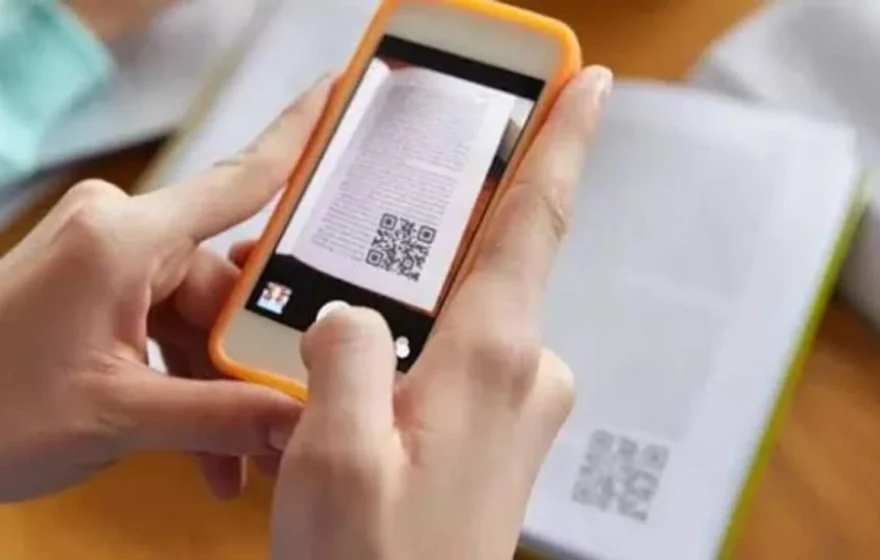
The most eye-catching element of the reform is the introduction of QR codes in textbooks. Pupils will be able to scan these codes using digital devices and watch video lessons linked to the topic they are studying. The aim is to make classroom learning more interactive by pairing conventional reading with audiovisual explanation. Difficult mathematical concepts and scientific topics could become easier to grasp when a child can watch a demonstration rather than only reading about it, and the same material offers a chance to revise lessons at home and learn at a pace that suits the individual child rather than the whole class moving together.
That digital promise also raises practical questions. Video lessons are only useful where children have a suitable device and a reliable connection, and where teachers know how to weave the videos into their teaching. Without that access and preparation, the reform could risk a gap between children who can use the digital material and those who cannot.
Behind the plan is a broader shift towards conceptual learning rather than memorising large volumes of material. That asks teachers to spend more time making sure pupils understand an idea and less time rushing through pages, and it takes training, time and confidence that a new textbook alone cannot deliver.
For parents, the hope is simpler: a child who comes home less tired, with homework that reinforces understanding rather than repeating pages. For the province, the test will come in April, when the new books should be in classrooms, and in the months after, when it becomes clear whether supplementary material has genuinely been trimmed or has crept back in. A 25 per cent lighter textbook is a good headline; a genuinely lighter, more thoughtful primary education would be a much better result.
