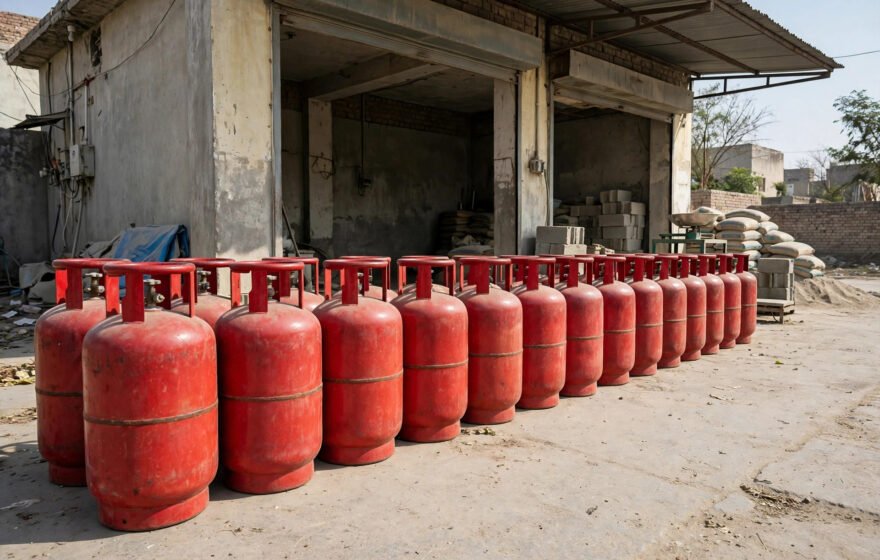
Liquefied petroleum gas prices in Pakistan have surged to as high as Rs750 per kilogram in the northern areas, piling pressure on households just as winter approaches — and a proposed change in how prices are set could push a standard cylinder beyond Rs10,000.
The government is weighing a shift from the current monthly pricing system to daily price notifications for LPG. Officials argue the move would prevent the sharp winter price hikes that have become routine and help curb hoarding by dealers who stockpile supplies ahead of anticipated increases.
Importers have broadly backed a revision of the existing formula, suggesting prices be set on a weekly or daily basis instead of once a month. They contend that the monthly system lags behind fast-moving international prices and creates distortions that encourage speculative stockpiling.
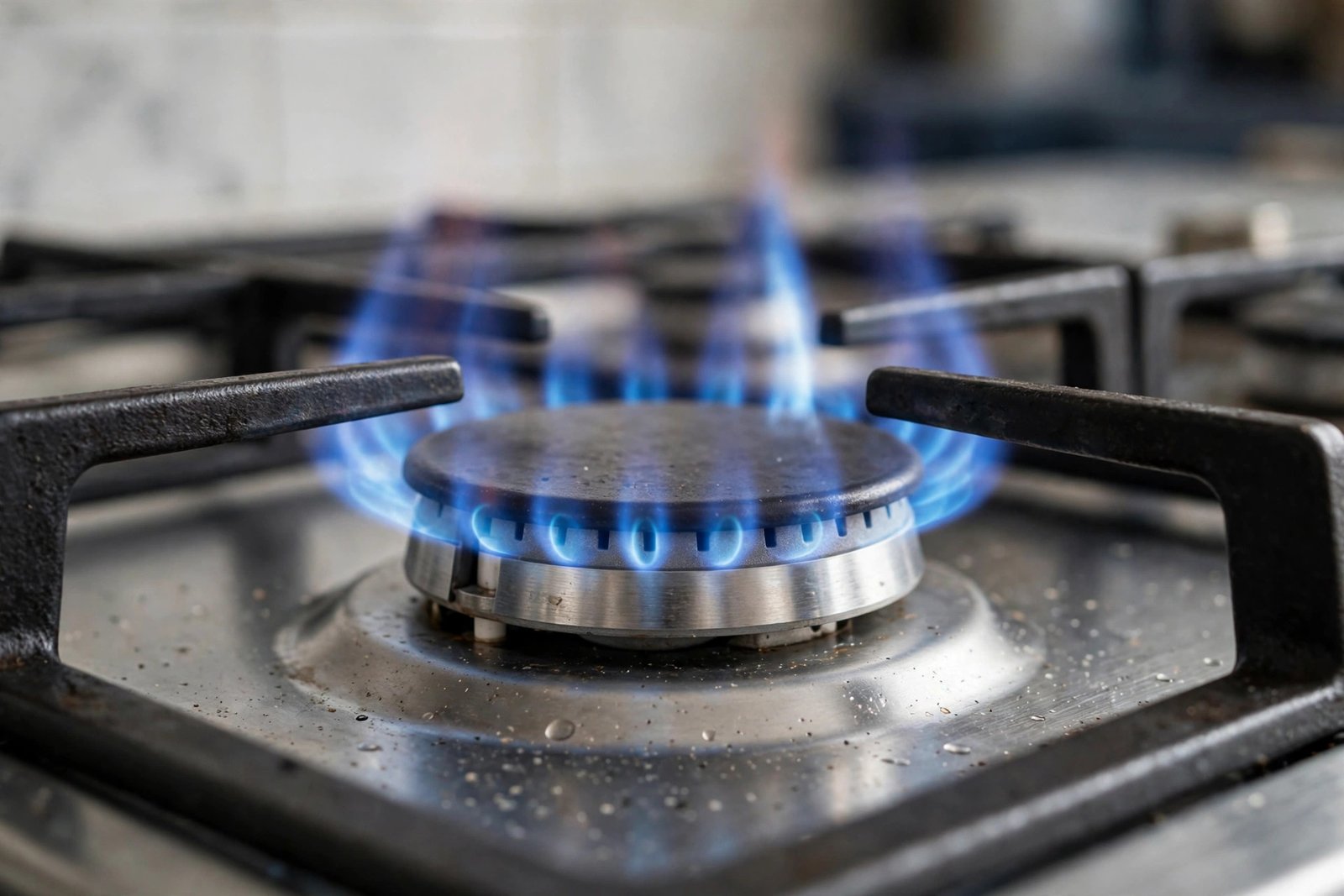
But the proposal comes with a warning attached. There are growing concerns that daily pricing could pass international market volatility straight through to consumers — and that, in a tight winter market, cylinder prices could cross the Rs10,000 mark. For low- and middle-income families that rely on LPG for cooking and heating, that would be a heavy blow.
The timing makes the debate especially sensitive. LPG demand climbs steeply in winter, particularly in northern Pakistan and in areas without piped natural gas, where cylinders are the primary household fuel. Prices in these regions already run well above the national average, and any additional increase lands hardest on those with the fewest alternatives.
Pakistan’s LPG market has seen repeated bouts of turbulence, with prices touching Rs580 per kg in earlier surges this season. Each spike has followed a familiar pattern: rising demand, constrained supply, and allegations of hoarding by elements of the supply chain — the very behaviour daily pricing is meant to discourage.
Whether the cure proves better than the disease will depend on the final mechanism. Done well, more frequent price adjustments could smooth out shocks and deny hoarders the predictable monthly jumps they exploit. Done poorly, they could simply transmit every ripple in global markets directly to kitchen budgets.
The regulator’s role will be central to whatever comes next. LPG prices in Pakistan are formally notified under a government-administered mechanism, and any move to daily pricing would require changes to how those notifications are calculated and published. Importers argue the current monthly lag is the real problem — by the time a monthly price is announced, the international market has often moved on, leaving room for the speculative stockpiling that hits consumers hardest.
Consumer advocates, meanwhile, want safeguards built into any new system: transparent formulas, published import costs, and strict action against hoarders regardless of how often prices are revised. Without enforcement, they argue, the frequency of price-setting matters less than the discipline of the market it governs.
A final decision on the pricing shift is still awaited. Until then, households across the country — especially in the north — are bracing for what could be one of the most expensive LPG winters in recent memory.
