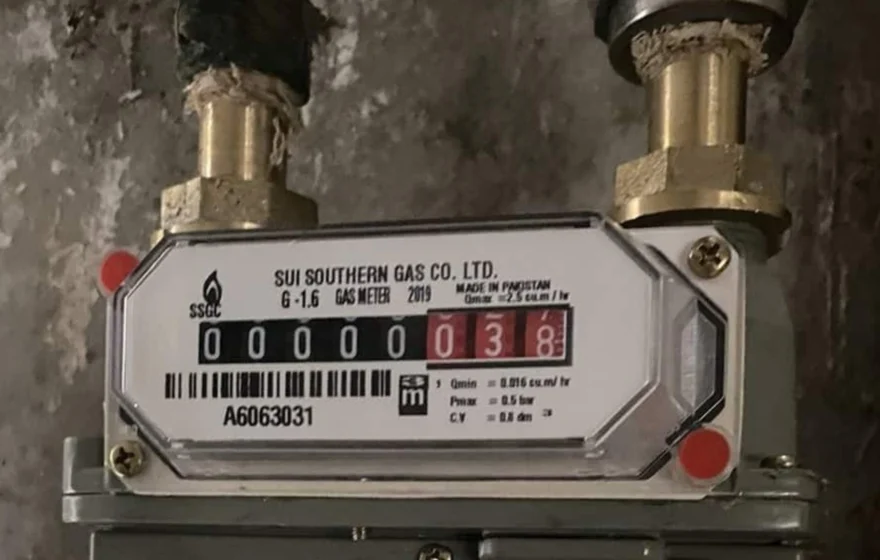
Sui Northern Gas Pipelines Limited has extended its ban on new domestic gas connections indefinitely, leaving thousands of applicants in limbo as winter begins. Reported on 1 November, it turns a temporary halt into an open-ended one, with no date set for applications to be accepted again.
The ban is not limited to homes. From this month, new commercial connections for tandoors and hotels have also been stopped. That widens the impact beyond households waiting for a first connection, because small food businesses that depend on piped gas for daily cooking are now in the same queue, with no timetable for relief.
For many applicants, the frustration is sharpened by money already paid. Thousands of consumers are still without connections despite having paid the urgent fee, a payment meant to speed up the process. Those households now have no connection and no indication of when their turn will come, which makes planning for winter far harder than a simple delay would.
Why the Ban Has Been Extended
The immediate reason given is a disruption to supplies of regasified liquefied natural gas, known as RLNG, which has widened the shortfall in the existing system. As winter sets in, household demand rises sharply for heating and cooking, and the system is already struggling to meet the needs of people who are connected. Adding new consumers would spread a shrinking supply even thinner and risk pressure problems for everyone.
SNGPL officials have said the ban was imposed by the Ministry of Petroleum, and have linked any restoration to an easing of tensions between Iran and the United States, a sign of how far the causes reach beyond the gas network. The government first halted new connections in April over the same RLNG disruption, so this extension continues a problem building for months rather than starting a new crisis.
That background matters because Pakistan’s winter gas planning is already built around scarcity. The Petroleum Division has sought approval for a winter load management plan covering November 2026 to February 2027, under which domestic consumers would receive top priority while industry, captive power, fertiliser and compressed natural gas supplies could be curtailed if shortages become severe. Demand on the SNGPL network is projected to roughly double in winter, from around 550 to 1,100 million cubic feet per day, which shows why even existing households are hard to serve.
Meeting that demand is expected to require 24 liquefied natural gas cargoes on the SNGPL network, nine for power and fifteen for domestic use, two held as contingency. Yet deliveries have been uncertain since QatarEnergy declared force majeure in March 2026, and regional tensions have added to that uncertainty. Spot purchases are an option but can be expensive. Until cargoes are secured, a ban on new connections is, from the utility’s point of view, a way of protecting the customers it already serves.
What This Means for You
For a household without piped gas, liquefied petroleum gas in cylinders is the main alternative, and it is getting costlier at exactly the wrong time of year. The Oil and Gas Regulatory Authority has set the official price of an 11.8-kilogram domestic cylinder at Rs. 3,470.09 for November, up Rs. 173.86 from October, but that is not what many families actually pay.
LPG is reportedly selling at around Rs. 600 per kilogram in Rawalpindi, Islamabad and other parts of the country. At that rate, a cylinder costs about Rs. 7,080, roughly Rs. 3,610 above the official price. A family using two cylinders a month through winter would therefore pay around Rs. 14,160 at market rates, compared with Rs. 6,940 at the official price. That gap between the notified price and the shop price falls hardest on households already waiting for a piped connection.
The government is already reviewing LPG policy as prices climb, but a review does not lower this month’s bill. Households must stretch each cylinder further, cut back on heating, or find room in a tight budget for fuel costing roughly twice the official rate. For tandoors and hotels the same pressure applies on a larger scale. Anyone who has paid the urgent fee should keep payment receipts safe, so their claim is clear whenever connections resume.
What Happens Next
There is no announced date for lifting the ban, and applicants who have already paid have been given no timeline. Restoration depends on gas supplies improving, on cargoes arriving on schedule, on the winter plan working as intended, and on regional tensions easing enough for contracted supplies to flow normally. None of those conditions can be guaranteed from one month to the next.
The coming weeks will test whether existing domestic consumers receive the priority the winter plan promises during peak cooking hours, and whether the authorities can close the gap between the official LPG price and the market price. If cargoes arrive and pressure holds, the case for reopening applications will strengthen. If supplies tighten further, the ban could stay well into winter, and waiting households will feel it most. For now, the message is unwelcome but clear: no new connections, no date, and a winter in which the alternative fuel costs far more than it should.
