For a growing number of people, the first encounter with a university or a hospital no longer happens at a gate or a reception desk. It happens on a phone screen, late at night, when someone is looking for a doctor, a course or an examination result. That shift is at the heart of a rebuild at Aga Khan University, which has relaunched the websites of the university, Aga Khan University Hospital and the Aga Khan University Examination Board as one coherent digital presence.
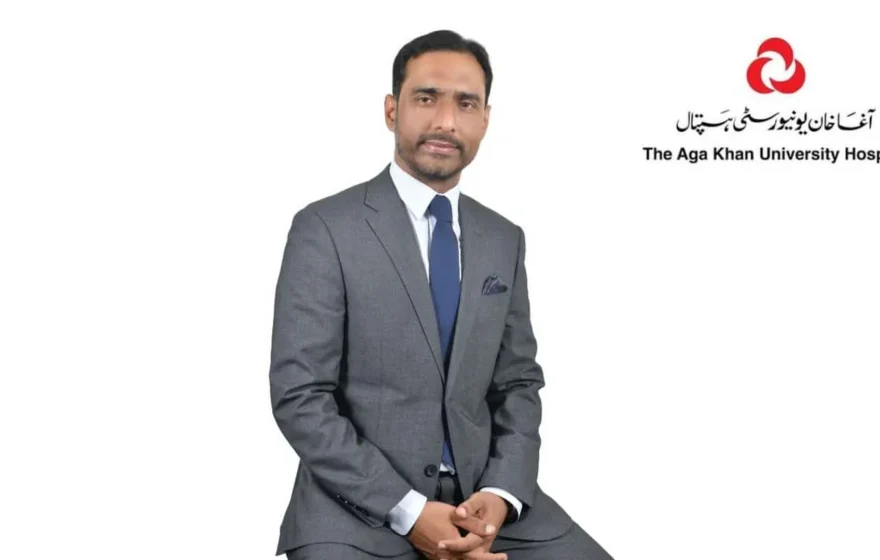
The change is not presented as a cosmetic refresh. In an interview about the project, Muhammad Fahd, the university’s Global Chief Information Officer, described the website as the place where trust is now won or lost. A patient, a parent, a student and a donor may all form their first impression long before they speak to anyone in person. If what they need is hard to find, slow to load or confusing on a small screen, that impression is damaged at the outset. If it is clear, quick and reassuring, the institution feels closer and more dependable.
That reasoning shaped the way the three sites were rebuilt together. Although the university, the hospital and the examination board serve different purposes, Fahd argued that they should still feel like one institution. A visitor in Pakistan, Kenya or Canada should encounter the same character and values, whether reading about research, seeking clinical care or checking an examination service. The university’s values of impact, quality, relevance and access, brought together as IQRA, are therefore meant to be visible in how the sites work, not merely stated on an about page. A patient should identify a service quickly, a student should understand a programme without confusion, and a supporter should find a straightforward route to giving.
Design decisions followed the habits of the audience rather than the preferences of the institution. Fahd noted that around eighty-six per cent of visitors reach the sites on a mobile phone, making a mobile-first approach unavoidable rather than fashionable. Pages were therefore built to work cleanly on small screens first, while still adapting to larger devices. Speed mattered too, since people expect a page to open promptly and an appointment journey to feel short. Smaller choices also mattered: where a button sits and how a menu is ordered can influence confidence, even when visitors do not consciously notice them.
That balance is complicated by very different needs. A patient visiting a hospital site is usually anxious and focused, looking for a doctor or an appointment. A student or parent visiting an examination board site may want dates, guidance or results, while a prospective university student may be comparing programmes over a weekend. Content, wording, imagery and order therefore have to change from audience to audience. The three parts of the organisation also have their own logos and colours, so the teams used shared principles for typography, hierarchy and photography to create a family resemblance, while keeping each journey distinct.
Another change is the move towards services available at any hour. A website, unlike a reception desk, does not close, and health and education decisions rarely keep office hours. Someone may realise at ten in the evening that they need an appointment, or a student may spend a weekend exploring programmes. The new sites aim to make those moments straightforward. Telephone booking still exists, but much everyday work has moved online, including through the hospital’s Family Hifazat application, where laboratory results can be reached directly.
Security and privacy sit alongside that convenience, and Fahd was clear that they were treated as foundations rather than additions. As websites become more interactive, questions about what information is collected, why it is needed, where it is stored and who can see it become central to trust. The project therefore built in access controls, secure sign-in, encryption, regular security testing and clear rules on how long data is kept, with privacy standards aligned to demanding international requirements. People will only use a digital service for sensitive matters if they believe their information will be handled with care.
Looking ahead, Fahd expects websites to become less like fixed destinations and more like responsive services that adapt to the person using them, with data helping organisations understand visitor behaviour and artificial intelligence supporting personalisation and conversational help. That promise comes with a condition: personalisation is only valuable if privacy is protected, and relevance is only useful if information is accurate, accessible and kept up to date. His advice to organisations in Pakistan was therefore to prepare now, starting with well-structured and current content, accessible pages, strong security and privacy, useful analytics, and benchmarks set against the best international experiences rather than the local average. The project matters beyond one institution because it reflects a wider change in how large organisations are judged. Buildings and reputations still matter, but for many people the first test is now digital, immediate and unforgiving, and trust is increasingly earned on a screen, in the first few seconds, by an institution that has made itself easy to find, easy to understand and easy to trust.
