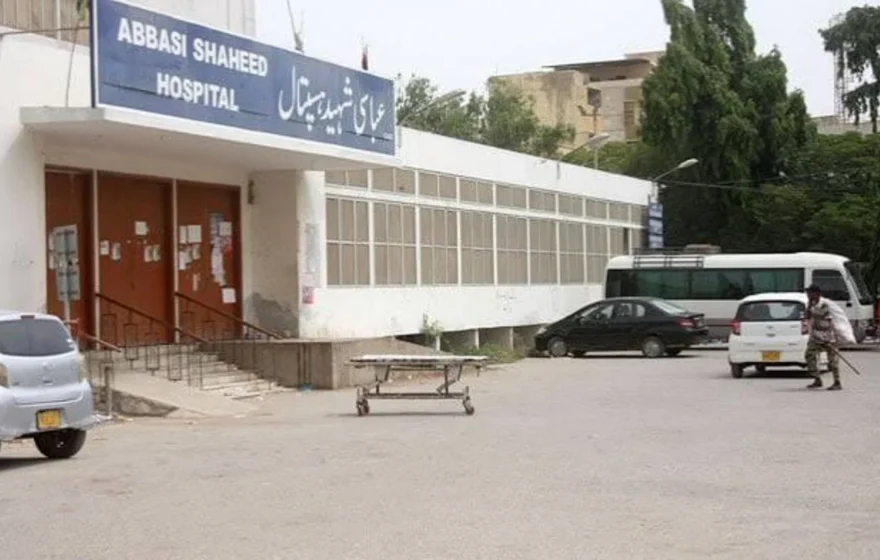
The Sindh Assembly has passed a bill that would bar private hospitals in the province from charging patients for the next five years, a sweeping measure the provincial government says is aimed at making healthcare free and accessible for ordinary people. The Sindh Health Care Financing and Insurance Bill, 2026, was approved on Monday, just days after being introduced, despite objections from the opposition and serious questions about how the scheme would be funded.
Under the bill, the Sindh government says it will reimburse private hospitals for their services, effectively replacing patient fees with state payments. The legislation also introduces a health insurance card, a broader regulatory framework, and penalties for hospitals that refuse to comply. Officials argue that the measure will remove a major barrier to treatment, particularly for low-income families who often delay or forgo medical care because of cost. Supporters of the law point to the stark reality in Pakistan’s public health system, where patients routinely face long waiting times, overcrowded wards and shortages of medicines, and argue that the private sector must be brought into a system that serves the public.
The debate over the bill, however, has been far from unanimous. Opposition members said the bill was rushed through without adequate consultation or scrutiny. They pointed to the absence of clear information about how much the scheme will cost, where the money will come from, and how the government will ensure that private hospitals are paid on time. That last point is crucial: Pakistan has a long history of government arrears to private providers, and hospitals have repeatedly complained that delayed payments force them to cut services or turn patients away. If the government fails to pay promptly, the bill could have the opposite effect to the one intended, discouraging private hospitals from treating patients at all.
There are also questions about capacity. Private hospitals are already under pressure from rising costs, staff shortages and the impact of inflation. Many operate on thin margins, and some may simply not be able to absorb the additional administrative burden of a state-funded scheme. Critics argue that the government should instead focus on improving public hospitals, which serve the majority of the population, rather than trying to subsidise the private sector. They also note that the bill’s five-year timeframe is unusually long for a policy of this scale, and that it will be difficult to reverse if it does not work.
The government, for its part, has framed the bill as a bold and necessary intervention. Health Minister Azra Pechuho has repeatedly stressed the need for universal health coverage, and the bill is presented as a step towards that goal. The introduction of a health insurance card is also intended to give patients a clear entitlement to care, reducing the discretion of individual hospitals and making the system more transparent. For the provincial government, the bill is a statement of intent: that healthcare is a right, not a commodity, and that the state has a responsibility to ensure that no one is denied treatment because they cannot pay.
The practical challenges, however, remain formidable. The bill will require a significant increase in health spending at a time when Sindh, like the rest of Pakistan, is facing severe fiscal constraints. The province’s budget is already stretched by the need to rebuild after devastating floods, maintain infrastructure and pay for a large public workforce. Finding the money to reimburse private hospitals for five years will require difficult choices, and there is a risk that the scheme will be underfunded from the start. The bill also raises questions about oversight: who will decide what treatments are covered, how will prices be set, and how will the government prevent fraud or overcharging?
The experience of other countries suggests that such schemes can work, but only with careful design and sustained political commitment. In Thailand, for example, a universal health coverage scheme introduced in the early 2000s has been widely praised for reducing out-of-pocket spending and improving access to care. But that scheme was built over many years, with a clear funding model and strong institutional support. In Pakistan, where governance is weaker and fiscal space is limited, the risks are greater. The Sindh bill will be a test case, and its success or failure will have implications far beyond the province.
For patients, the immediate question is simpler: will the bill actually mean free treatment, or will it remain a promise on paper? The answer will depend on how quickly the government can set up the reimbursement system, how effectively it can monitor compliance, and whether it can maintain funding over the full five years. If the scheme works, it could transform healthcare in Sindh, giving millions of people access to treatment they currently cannot afford. If it fails, it could deepen distrust in the public health system and leave patients worse off than before. The coming months will be critical, as the government moves from passing the bill to implementing it on the ground.
