Households across Islamabad, Punjab and Khyber Pakhtunkhwa will receive piped gas only during three fixed windows of the day this winter, after Sui Northern Gas Pipelines Limited introduced a new load management schedule that takes effect from Wednesday, 4 November. The decision shapes the daily routine of millions of families at the start of the cold season, when demand for heating and cooking rises sharply and the gas system comes under its heaviest strain of the year.
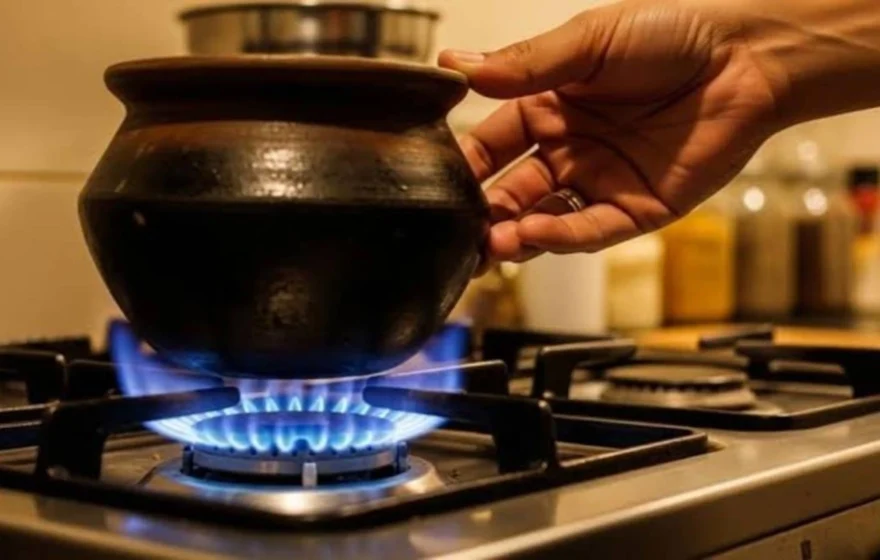
Under the schedule announced by the company, domestic consumers will get gas from 6:30 in the morning until 9:00 in the morning, again from midday until 2:30 in the afternoon, and then from 6:00 in the evening until 9:00 at night. Those three windows add up to eight hours of supply each day, arranged around the times when families most need to cook breakfast, lunch and dinner. Outside those hours, households will have to manage without piped gas, a change that will be felt most keenly in the early hours of cold mornings and late at night, when heaters and water boilers are usually in use.
The company has said that homes are being given priority over other users. That priority reflects a deliberate choice by the government: when gas is scarce, the needs of domestic consumers come first, and supplies to industry, transport and power generation are adjusted around them. The pressure behind that choice is easy to understand. Demand for gas climbs steeply in winter as temperatures fall, while the supply of imported liquefied natural gas has become less certain, leaving the system with less room to meet everyone’s needs at once.
That uncertainty has been building for weeks. The Petroleum Division had warned before the winter season that national gas demand could nearly double, rising from around 850 million cubic feet per day to about 1,600 million cubic feet per day. On the Sui Northern network alone, which serves the northern parts of the country, demand was expected to climb from roughly 550 million cubic feet per day to around 1,100 million cubic feet per day. At the same time, the government had still to settle arrangements for a large number of liquefied natural gas cargoes intended for the winter months, with warnings that delays could force cuts to industry, power generation, fertiliser production and compressed natural gas stations.
The new schedule is the practical consequence of that tight balance. Alongside the limits on household supply, Sui Northern has already reduced gas for the compressed natural gas sector, cutting it from 50 million cubic feet per day to 35 million cubic feet per day, and it plans to suspend those supplies altogether in the coming days. For drivers who rely on compressed natural gas, that means filling stations will become harder to use and may close for stretches of the winter, pushing more vehicles towards petrol and diesel at a time when fuel prices are already a sensitive issue for household budgets.
Industry is also feeling the squeeze. The cement industry, which is a heavy user of energy, has already moved to coal as its fuel, a shift that shows how far companies will go to keep their plants running when gas cannot be guaranteed. Industrial consumers connected to the distribution network are facing cuts as well, while factories linked directly to the transmission network, including both export-oriented businesses and those serving the domestic market, are currently receiving around 200 million cubic feet per day. The power sector is getting approximately 140 million cubic feet per day, and the fertiliser industry around 53 million cubic feet per day, with the possibility of further reductions still open if the supply position worsens.
For households, the practical effect of the schedule will depend on how steadily gas actually flows during the promised windows. In previous winters, families have complained not only about the hours of supply but also about low pressure, which can make stoves burn weakly and heaters struggle to warm a room. Keeping pressure adequate during cooking hours will be the real test of this plan. Families may also turn more to liquefied petroleum gas cylinders and electric heaters, all of which add to monthly spending at a time when winter bills are already rising.
The schedule also underlines a longer-running problem in Pakistan’s energy system. Domestic gas production has been declining for years, while demand has continued to grow, and the gap has increasingly been filled by imported liquefied natural gas, which is expensive and subject to global market swings. Winter after winter, the same pattern has repeated: demand surges, imports fall short, and load management becomes necessary.
What happens next will depend on how the season unfolds. If the winter is mild and liquefied natural gas deliveries arrive on schedule, the three daily windows may hold steady and the cuts to industry may stay limited. If cold weather arrives early or deliveries slip, the company has already signalled that further reductions in industrial supply remain possible. For now, families in Islamabad, Punjab and Khyber Pakhtunkhwa should plan their cooking and heating around the morning, midday and evening windows.
